
AI news ·
OpenAI lets ChatGPT users connect bank accounts through Plaid
ChatGPT can now connect to bank accounts via Plaid, giving it access to balances, transactions, and investments across 12,000 institutions. The feature is live today for Pro subscribers in the US.
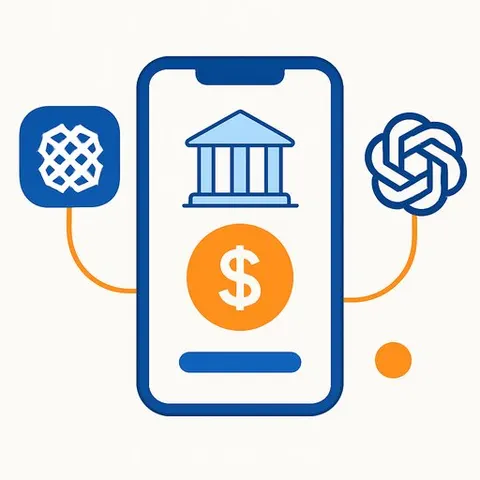
OpenAI Adds Bank Account Access to ChatGPT
OpenAI announced that ChatGPT will soon connect directly to users' bank accounts through Plaid, a platform that links financial institutions to third-party apps. The feature launches in preview today for ChatGPT Pro subscribers in the US, with plans to expand to lower-tier users later.
The integration lets ChatGPT access balances, transaction history, investment portfolios, and debt information across 12,000 financial institutions including Chase, Fidelity, Schwab, and Capital One. Users can ask the chatbot to analyze spending patterns, suggest budget cuts, or evaluate financial decisions like home purchases or credit card applications.
What ChatGPT Can and Cannot See
ChatGPT cannot view full account numbers or execute transactions. It can see your balances, spending history, active subscriptions, stock holdings, mortgages, and credit card debt.
Users retain control over data sharing. They can disconnect bank accounts at any time, delete saved financial information, and opt out of allowing their financial data to train AI models. OpenAI says it takes up to 30 days to purge disconnected account data from its systems.
The Unresolved Questions
OpenAI has not specified what it will do with financial data beyond AI training, or what additional protections exist if systems are compromised. The company also did not address whether financial information could be used for other purposes outside model training.
This launch follows ChatGPT Health, introduced in January, which accesses medical records. Both features require users to trust that OpenAI will secure sensitive personal data.
For AI for Finance professionals, the feature raises immediate questions about data governance, regulatory compliance, and whether financial advisors need policies around ChatGPT use in client work.