The New Corporate Memo: Let AI Ease The Pain
An Xbox executive's response to layoffs? Let a chatbot handle the emotional impact and career planning. Welcome to corporate care in 2025.
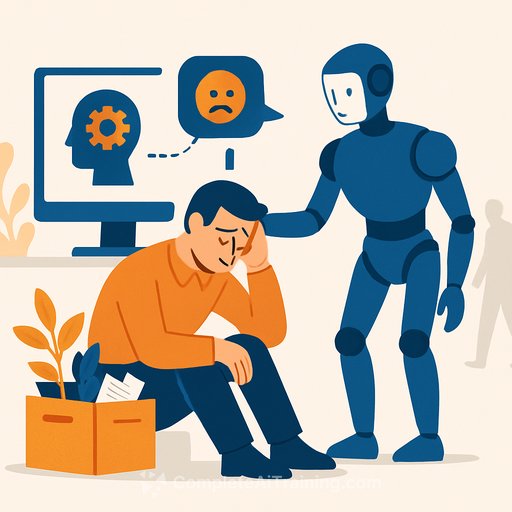
A concerning pattern is emerging in the tech industry. A leading AI company lays off thousands of employees, then suggests those affected turn to the very technology replacing them for support. This is the automation of suffering—and it’s happening now.
When Microsoft cut thousands of jobs in its gaming division, Matt Turnbull, an Executive Producer at Xbox Game Studios Publishing, took to LinkedIn with what appeared to be well-meaning advice. He encouraged former staff to use AI tools like ChatGPT and Copilot to manage the emotional and practical challenges of job loss.
He wrote: “These are really challenging times, and if you’re dealing with a layoff or preparing for one, you’re not alone and you don’t have to go it alone.” He added, “I’ve been experimenting with ways to use LLM AI tools (like ChatGPT or Copilot) to help reduce the emotional and cognitive load that comes with job loss.”
AI Is Not in the Memo, but It Haunts Every Layoff at Xbox
The message hit with a strange weight. Microsoft, after ending your employment, was now outsourcing your emotional support to a bot. The July layoffs impacted Xbox Game Studios heavily. Along with job cuts, Microsoft canceled major projects like Perfect Dark and Everwild, and closed The Initiative, a high-profile new studio.
Turnbull’s now-deleted post—captured by Aftermath—offered prompt templates to help laid-off workers start conversations with AI.
Your AI Therapist Will See You Now
The prompts read like a digital self-help guide:
- Career Planning
“Act as a career coach. I’ve been laid off from a [role] in the game industry. Help me build a 30-day plan to regroup, research new roles, and start applying without burning out. What kinds of game industry jobs could I pivot to with experience in [Production/Narrative/LiveOps/etc.]?” - Resume & LinkedIn Help
“Here’s my current resume. Give me three versions: one for AAA, one for platform/publishing roles, and one for startup/small studio leadership. Rewrite this summary bullet to highlight impact and metrics. Draft a new LinkedIn ‘About Me’ section focusing on leadership style, shipped titles, and vision for game development.” - Networking & Outreach
“Draft a friendly message I can send to old coworkers letting them know I’m exploring new opportunities. Write a warm intro message for reaching out to someone at [studio name] about a job posting.” - Emotional Clarity & Confidence
“I’m struggling with imposter syndrome after being laid off. Can you help me reframe this experience in a way that reminds me what I’m good at?”
The subtext is clear: AI is now your therapist and outplacement service combined. Where once a severance package might have included access to human career coaches, AI is positioned as a cheaper, scalable alternative. The prompts may offer practical help, but the gesture feels hollow coming from a leader at the company that just let you go.
This marks a stark shift in corporate care—outsourced, AI-assisted, and depersonalized. Empathy is no longer a human connection but a software interaction. This reframes the social contract: even emotional support is routed through algorithms.
Tech Created the Problem. Now It Sells You the Fix
This is a cynical feedback loop in tech. The industry obsessed with automating jobs now markets its products as remedies for the emotional fallout. Microsoft, which has invested over $13 billion into OpenAI, has a financial stake in this solution. When an executive at a Microsoft-owned studio promotes ChatGPT or Copilot as the first resource for the laid off, it blurs the line between genuine concern and corporate branding.
Empathy becomes a use case. Trauma becomes a customer journey.
The Stakes: From Outplacement to Automated Recovery
Outplacement services traditionally offered a human touch. As large language models improve, pressure will increase to automate post-layoff support. A chatbot can rewrite your resume, coach you for interviews, or help manage anxiety—at least in theory. But what’s lost in this shift?
What happens to the dignity of grief, reflection, and real human connection during a professional crisis? Even Turnbull acknowledged this tension: “No AI tool is a replacement for your voice or your lived experience. But at a time when mental energy is scarce, these tools can help get you unstuck faster, calmer, and with more clarity.”
The Bigger Picture
Turnbull’s post isn’t an isolated incident; it signals a cultural shift in tech. Recovery is being privatized, individualized, and automated. There’s an unsettling optimism that you can prompt your way out of pain.
Pain isn’t a productivity problem. Layoffs aren’t a user experience issue. If chatbots trained on vast online data become the sole support for laid-off workers, we’re witnessing the start of algorithmic grief management—endorsed by the very forces that deemed human workers expendable.
Executives and strategists should recognize the implications. Automated support tools may reduce costs but risk eroding trust and true care. Balancing efficiency with genuine empathy will become a key leadership challenge moving forward.
For those looking to understand AI’s evolving role in workforce transformation and support, exploring comprehensive training can be valuable. Visit Complete AI Training for courses on AI tools and their applications across industries.
Your membership also unlocks: