
AI news ·
Pakistani student calls for AI integration and lower teacher ratios to fix ailing school system
Pakistan's schools are struggling to adapt as AI use among students surges, compounding existing problems like overcrowded classrooms and growing corporate influence. Proposed fixes include capped class sizes and teacher-controlled AI access tools.
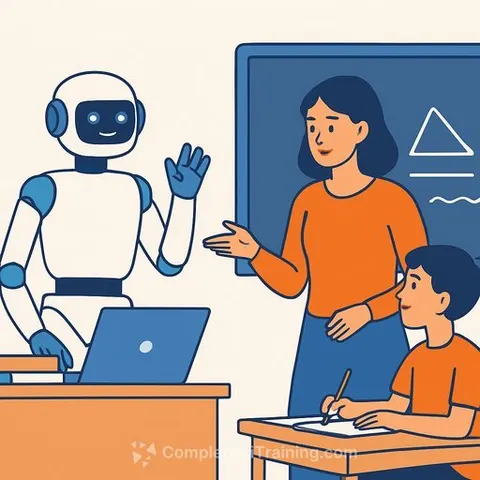
Schools face pressure to adapt as AI reshapes education
Pakistan's education system is under strain as artificial intelligence forces a reckoning with how schools operate. Teacher shortages, overcrowded classrooms, and commercial pressures are colliding with rapid technological change, leaving educators, parents, and students uncertain about the future of traditional schooling.
The arrival of large language models like ChatGPT triggered panic across school systems. Some banned AI outright. Others permitted it. Many left policies undefined. Regardless of approach, student AI use exploded.
The anxiety runs deeper than classroom disruption. Students now question whether spending over a decade in school, followed by years in college and university, makes sense if AI will replace the jobs they're training for. This growing skepticism about education's relevance reflects real gaps between how schools operate and what the modern world demands.
Teacher-to-student ratios hamper learning
Classroom overcrowding is a concrete problem. In many Pakistani schools, one teacher manages 30 to 35 students. At this scale, individual attention becomes impossible-teachers cannot properly grade work, manage tests, or teach multiple classes simultaneously.
Schools with better-resourced staffing tell a different story. Where the ratio drops to one teacher per 20 students, instruction improves noticeably. Yet cost pressures push many private and public institutions toward larger class sizes.
Commercialization crowds out education
Corporate influence in schools has grown. Major companies connect themselves to educational institutions, and brand promotions occur frequently within school walls. In a single semester, one school hosted visits from noodle, milk, ketchup, and supplement brands-all within weeks.
This commercialization competes with education for space and attention. Schools increasingly function as advertising platforms rather than learning environments.
Practical reforms could help
Banning AI entirely won't work. Usage will continue regardless. Instead, schools should adapt in ways that preserve learning fundamentals.
One proposal involves combining mobile devices with traditional reading and writing. Students could read digital content on phones while completing handwritten assignments, reducing the need for heavy textbooks.
A "School Mode" feature-similar to airplane mode-could temporarily disable AI apps and search engines during lessons, preventing students from copying answers while allowing teachers to control when AI tools are available.
Schools could also develop dedicated educational AI systems that only provide learning support when teachers permit them. This maintains teacher authority while introducing technology thoughtfully.
Reducing the legal teacher-to-student ratio to at least 27 students per teacher would give educators capacity to provide actual attention to individual learners.
These changes require serious discussion. Without reform, Pakistan risks falling further behind in education quality while the system loses credibility with students who see it as increasingly irrelevant.
Learn more about AI for Education and explore resources for AI learning paths for teachers.