
AI news ·
Patients give less detail to AI symptom checkers than to doctors, study finds
Patients give AI symptom checkers less detail than they give doctors-about 28 fewer characters on average-according to a Nature Health study of 500 people. Distrust and privacy concerns drive the gap, which can hurt diagnostic accuracy.
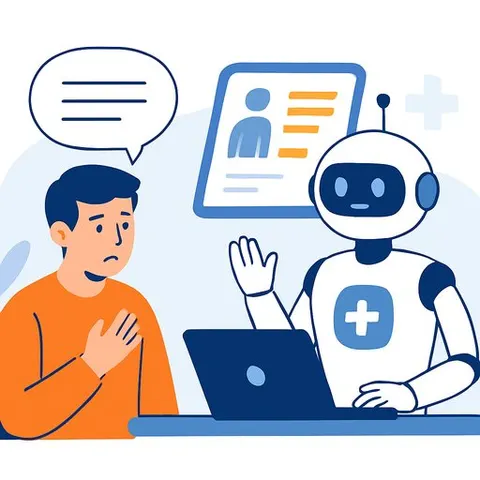
AI Symptom Checkers Get Less Detail From Patients Who Distrust Machines
People provide fewer details about their symptoms when talking to AI chatbots than when describing them to doctors, according to research published in Nature Health. The gap-roughly 28 characters shorter on average-may seem trivial but can undermine diagnostic accuracy.
Researchers at the University of Würzburg conducted a study with 500 participants who wrote symptom reports for common conditions like headaches and flu-like illness. Half believed their reports would go to an AI system; half believed a doctor would review them. Reports intended for doctors averaged 255.6 characters, while those for chatbots averaged 228.7 characters.
The pattern held even among participants actually experiencing the symptoms they described.
Why Patients Hold Back Information
Distrust appears to be the culprit. Many people assume AI cannot understand the individual details of their situation and instead simply matches symptoms to standardized patterns. Researchers call this "uniqueness neglect."
Privacy concerns and skepticism about algorithm-based diagnoses also discourage patients from sharing complete information. When people doubt a system will understand their particular circumstances, they unconsciously withhold details the system would need for an accurate assessment.
The result: important medical information never reaches the AI, degrading the quality of its recommendations.
Design Changes Could Help
The researchers say improving AI technology alone won't solve the problem. Instead, better user interface design could encourage fuller communication between patients and digital systems.
The team recommends two practical changes:
- Showing users clear examples of detailed, high-quality symptom descriptions
- Designing systems that actively ask follow-up questions when information is missing
These changes could reduce misdiagnoses and help ease pressure on healthcare systems already stretched thin.
For healthcare professionals implementing or evaluating AI symptom checkers, understanding this communication gap is essential. The most sophisticated algorithms still depend on the quality of information patients provide. Learn more about AI for Healthcare and how to effectively integrate these tools into clinical workflows.