
AI news ·
Patients turn to AI chatbots as trust in the healthcare system erodes, policy group warns
Patients are turning to AI chatbots to decode medical bills and research symptoms because the healthcare system isn't meeting those needs. But a Peterson Health Technology report found AI is raising costs, not cutting them.
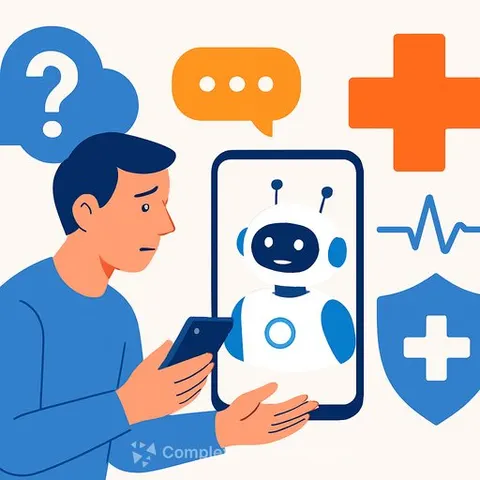
AI Tools Are Filling Gaps Healthcare Providers Cannot
Patients increasingly turn to ChatGPT and other AI chatbots to understand medical bills, research symptoms, and navigate insurance coverage-needs the traditional healthcare system is not meeting. These tools work around the clock, cost nothing, and deliver answers in seconds.
But this shift creates a fundamental tension. While AI addresses real patient demands, a recent report from Peterson Health Technology found that AI implementation is actually increasing healthcare costs. For patients already struggling with affordability, this outcome undermines trust before the technology proves itself.
Patients Want Transparency About How AI Is Used
When providers deploy AI tools like ambient listening-which automatically documents conversations during appointments-they rarely explain the technology to patients. This gap in transparency risks deepening skepticism about whether AI benefits patients or just makes money for healthcare organizations.
Research shows patients have clear expectations. Seventy-five percent of registered voters want to know how AI developers are building and deploying these tools. Sixty-six percent believe policymakers should prioritize AI regulation. Forty-three percent think current regulation is insufficient.
Providers who explain how AI creates more face-to-face time, or helps them understand patient concerns in plain language, build confidence. Those who implement AI silently risk the opposite.
Patients Now Arrive With AI-Generated Information
The physician-patient relationship is shifting. Patients show up to appointments with information from AI for Healthcare tools, social media, and family advice-a mix of accurate data and misinformation.
Providers cannot ignore this reality. The old model, where a doctor's recommendation ended the conversation, no longer exists. Instead, providers should help patients evaluate different information sources and make informed decisions together. Ignoring what patients have already researched only weakens medical advice.
Four Patient Demands AI Must Address
Across demographics, patients consistently want the same things from healthcare:
- Affordable care they can actually afford
- Dependable coverage that doesn't disappear when circumstances change
- Personalized care on their schedule and in their preferred format
- A system simple enough to understand and navigate
AI chatbots deliver on three of these. They're free, available 24/7, and can tailor responses to individual needs. But none of the AI tools in use today solve the affordability problem-the single biggest barrier to patient engagement.
Design Should Start With Patient Needs, Not Technology
Healthcare leaders building AI tools often assume all patients want the same thing. They don't. Research on younger adults using AI chatbots for mental health found most did not want referrals to human providers. They preferred the privacy and freedom of talking to an AI.
Yet many healthcare organizations plan to use AI as a funnel-moving patients from chatbots directly to doctors. This assumes patients want that path. They may not.
The solution is human-centered design. Ask patients what problems they face. Test solutions with real people. Measure whether AI actually reduces friction or adds another layer of complexity to an already difficult system.
Policy Must Reflect What Voters Actually Want
Voters across the political spectrum support stronger AI regulation in healthcare. They watched what happened with social media-a technology many still use despite its problems-and they want guardrails on AI before it becomes entrenched.
Policymakers should treat this as a mandate. When three-quarters of voters want transparency and two-thirds want regulation to be a priority, the gap between public demand and policy action becomes a credibility problem.