AI in Hospitality Isn't About Replacing People - It's About Stabilising the Team You Already Have
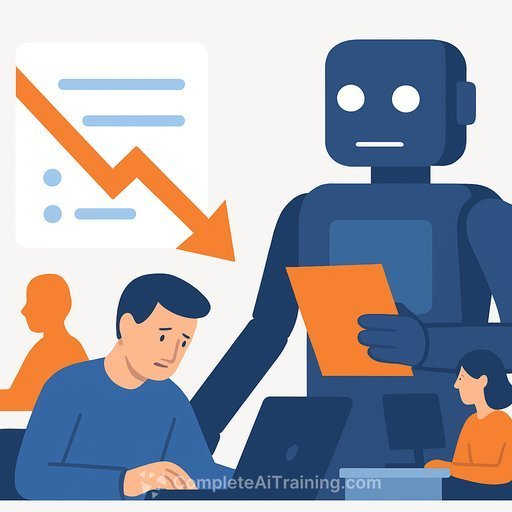
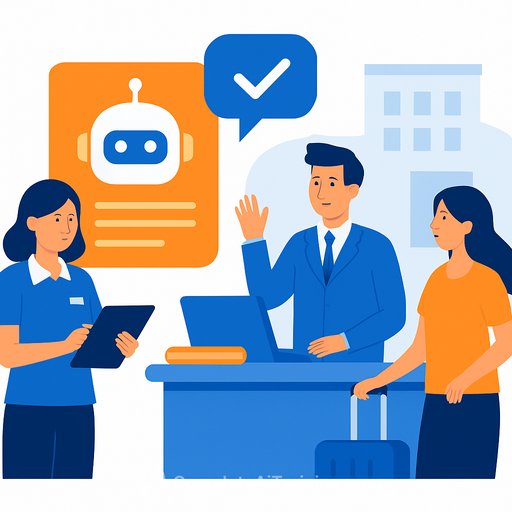
High turnover is one of hospitality's most persistent and expensive problems. Treating it as "just HR's issue" misses the real risk: operational instability and inconsistent guest experience. This is where assistive AI helps - not to cut headcount, but to steady the workforce you already have.
The business risk of churn
Turnover drains cash, time, and focus. It erodes service quality and puts pressure on your best people. You can see this in hiring delays, training rework, and schedule gaps - all while demand doesn't wait. For context on churn trends, review the U.S. Bureau of Labor Statistics' JOLTS data for leisure and hospitality.
What the Pertlink AI Playbook reframes
Pertlink's latest playbook centers on Workforce Stability. It positions AI as a capacity multiplier - a decision-support companion for HR and line managers across the full employee lifecycle. The aim: reduce attrition, stabilise daily operations, and protect service consistency.
- Make the hidden cost of turnover visible across departments.
- Link workforce instability to financial leakage and guest experience risk.
- Adopt AI in phases that don't require complex integrations or heavy IT support.
- Operate within clear ethical guardrails: human judgment stays in charge.
Where assistive AI helps across the employee lifecycle
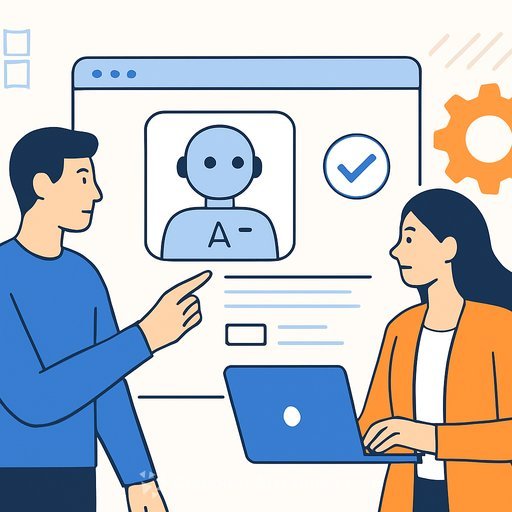
- Recruitment: Draft clear job ads, screen applications faster, and standardise interview guides to cut time-to-fill without lowering the bar.
- Onboarding: Convert SOPs into simple checklists and micro-briefs; personalise day-one plans based on role and prior experience.
- Scheduling and workload: Model fair shift patterns, flag overtime risks, and forecast staffing needs from bookings and events.
- Performance and development: Turn data into coaching prompts; generate balanced feedback that managers can deliver with confidence.
- Engagement and wellbeing: Summarise pulse surveys, spot patterns early, and suggest targeted actions before issues spread.
- Exit analysis: Synthesize exit interviews into themes; quantify drivers of churn by department, cohort, or manager.
Ethical guardrails you can stand behind
- Human-in-the-loop decisions for hiring, scheduling, and performance - always.
- Clear data boundaries: no sensitive or personal data fed into external tools without approval.
- Bias checks on prompts and outputs; document decisions and criteria.
- Transparent communication with staff about what AI does - and doesn't - do.
A low-risk adoption path (no heavy integrations required)
- Phase 1 - Pilot: Use standalone tools with shared prompt templates. Focus on one or two roles or departments. Track time saved and consistency gains.
- Phase 2 - Standardise: Package what works into playbooks and prompt cards. Train supervisors; build simple checklists.
- Phase 3 - Scale: Light integrations where helpful (e.g., HRIS exports). Expand to more sites and cross-functional workflows.
Measure what matters: time-to-fill, new-hire ramp time, shift coverage, voluntary turnover, manager span-of-control stress, and guest-review signals tied to staffing.
The toolkit: plain-language prompt cards
At the core of the playbook is a practical toolkit - more than a dozen ready-to-use prompt cards. They're written for busy managers, not technologists, and target real retention and leadership challenges.
- Fair scheduling suggestions that reduce burnout risk.
- Coaching scripts for tricky conversations that stay constructive.
- Exit interview synthesis to pinpoint controllable causes of churn.
- Cross-training plans that build bench strength without disrupting service.
- One-page SOP explainers for new hires in line-level roles.
Download the toolkit and put two or three cards into play this week. Small, repeated wins create momentum and trust.
This is not an "AI project" - it's a stability and cost-control program
Call it what it is: a structured way to reduce churn, protect service consistency, and give managers time back. AI is simply the assistive layer that makes disciplined HR practices faster and more consistent.
What HR can do this quarter
- Baseline your numbers: monthly turnover, time-to-fill, first-90-day exits, overtime hours, and guest-review keywords tied to staffing.
- Run a 30-day pilot in one department with 3-5 prompt cards. Share the before/after metrics.
- Set guardrails and communicate them. Clarify where AI can draft versus where managers decide.
- Upskill supervisors on practical prompting and feedback delivery.
- Publish early wins to the wider team and expand deliberately.
If your team needs quick, practical upskilling on prompts and workflow automation, explore these short courses:
About Pertlink Limited
Pertlink Limited, founded in 2000 and based in Hong Kong, is an IT consultancy focused on hospitality. Through an international network of experts in hotels and technology, the company helps clients cut through complexity and apply practical tools that improve the guest experience and daily operations.
More to come as part of the ongoing Pertlink series on effective, responsible AI deployment in hospitality.
Your membership also unlocks: