PepsiCo’s AI-Powered Shift Raises Operational and Environmental Questions
PepsiCo is making headlines with its recent announcement to integrate Salesforce's AI-driven Agentforce technology across its operations. The move signals a significant transformation in how the company manages inventory, online ordering, customer service, and targeted marketing through autonomous AI agents.
According to PepsiCo's chairman and CEO, Ramon Laguarta, "AI is reshaping our business in ways that were once unimaginable." This partnership with Salesforce marks a notable milestone, especially as PepsiCo products are consumed more than a billion times daily worldwide. For operations professionals, this signals the start of a new phase where AI-driven automation could become core to supply chain and customer engagement processes.
What AI Means for Operations
Implementing Agentforce means PepsiCo aims to automate and optimize various operational tasks. From managing inventory levels to improving customer support responsiveness, autonomous AI agents can reduce manual workloads and improve decision accuracy. For teams focused on operational efficiency, this could translate into faster response times, leaner inventory management, and more personalized marketing campaigns.
However, successful AI integration requires careful planning around data governance, system interoperability, and workforce reskilling. Operations leaders will need to assess how these autonomous agents interact with existing workflows and ensure they align with business goals.
Environmental Concerns Behind the Tech
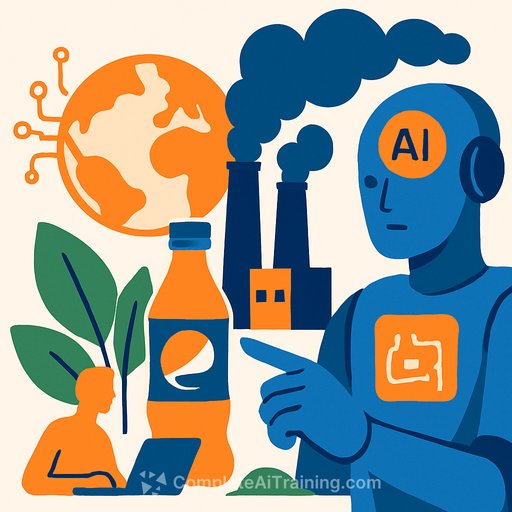
While AI promises operational advantages, its environmental impact is stirring debate. AI technologies rely heavily on data centers that consume significant amounts of electricity and water, contributing to carbon emissions and electronic waste. PepsiCo, already scrutinized for its environmental footprint—especially regarding plastic pollution—faces questions about whether this AI rollout aligns with sustainability goals.
In 2023, PepsiCo’s branded plastic waste surpassed that of Coca-Cola, a long-standing leader in plastic pollution. This new AI deployment adds another layer of complexity for environmental advocates monitoring the company’s impact.
PepsiCo’s Sustainability Efforts
PepsiCo is not ignoring environmental pressures. It has invested $6 million in grants supporting regenerative agriculture and is experimenting with packaging that reduces its carbon footprint. The company also runs recyclable and returnable bottle programs in select countries and has committed to using at least 40% recycled content in its plastic packaging by 2035.
Despite these efforts, the environmental cost of AI infrastructure remains a concern. Operations teams should weigh the benefits of AI-driven efficiency against its resource demands, especially as regulators worldwide begin to consider AI-specific environmental guidelines.
What This Means for Retail and Operations Leaders
- PepsiCo’s AI adoption sets a precedent likely to pressure other retail brands to explore similar technologies.
- Operations professionals must prepare for increased AI integration that impacts supply chains, customer service, and marketing.
- Balancing AI benefits with environmental responsibility will be a critical challenge moving forward.
For those looking to sharpen their understanding of AI applications in operations, exploring focused AI training can be a strategic step. Resources like Complete AI Training’s courses by job role offer practical insights tailored to operational roles.
As AI continues to influence how products are delivered and marketed, staying informed about both the operational gains and environmental implications will be essential for leaders managing complex retail ecosystems.
```Your membership also unlocks: