
AI news ·
Philly middle schoolers present AI research to parents and officials, say the technology is hard to escape
Philadelphia middle schoolers presented AI research to parents and local officials Friday, questioning its effects on cheating, creativity, and the environment. Students say AI is now inescapable-embedded in search results before kids can spot it.
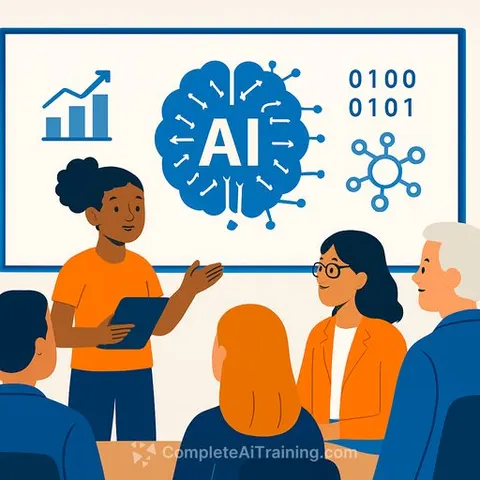
Philadelphia Middle Schoolers Question AI's Role in Society, Education
Sixth through eighth graders at Marian Anderson Neighborhood Academy in Philadelphia spent weeks researching artificial intelligence and presented their findings to parents, teachers, and local officials on Friday. The students examined how government uses AI, its environmental impact, and its role in creative work. They also questioned whether AI is here to stay or an economic bubble.
Sixth grader Azizah Simmons concluded that AI's overall effect on society is negative. While ChatGPT and similar tools could help students improve their writing, she said most students use them to cheat on assignments instead.
Simmons flagged a more pressing concern: the technology is inescapable. Search engines like Google now display AI-generated overviews before traditional links, making it hard for young users to distinguish between primary sources and AI content.
"You use it without meaning to. It's everywhere implanted in our lives," Simmons said.
Students Know More Than Adults
Other students focused on creative applications. Sixth graders Thomas Mapp and Tyshaan Anderson researched how video game designers use AI for level design and character creation. Outside school, they use AI to help them code games in Roblox and edit videos.
Anderson said the technology has let kids experiment with game design without mastering specific coding languages first.
Students report feeling they understand AI as well as - or better than - the adults around them. Computer science teacher Trey Smith said Friday's event aimed to move beyond technical explanations to broader questions about how AI shapes society, culture, and politics.
"We're all still trying to figure this out together," Smith said. "For students to be in dialogue with their families and with legislators and with school district officials - I think it's so important for them to learn together."
Schools Building AI Literacy
Philadelphia educators are developing curriculum to help students separate fact from misinformation and identify bias in AI systems. Principal Nicole Patterson said the school is pioneering these conversations but acknowledged the work is incomplete.
Educators nationwide face similar pressures. Teachers need grounding in AI fundamentals to guide students through these questions effectively. Superintendents are fielding marketing pitches from companies claiming their AI tools will transform education, while debates about student privacy and academic integrity intensify.
The Marian Anderson students plan to continue their research and keep raising these questions with school officials and policymakers.