AI Routing in Healthcare: Orchestrating Better Patient Care
Digital access is here: patients can message, call, or video chat in minutes. The problem shows up at the handoff. Context drops. Notes don't follow. What should feel connected turns into fragmented tasks across teams and tools.
Leaders see the cost. Deloitte's 2025 outlook shows operational efficiency and patient engagement are top priorities for health executives. The intent is strong, but legacy systems and staffing pressure get in the way. Smart orchestration and AI routing fix the gaps behind the scenes so care feels faster, clearer, and more human.
Why AI Routing Now
Most routing still treats every call or message the same. A billing question waits next to a high-risk symptom report. That doesn't work anymore. AI listens for tone, urgency, and intent, then directs the request to the right place - nurse, specialist, or a digital answer - without bouncing the patient around.
This isn't theory. Platforms like Genesys Cloud are weaving orchestration into routing so context moves with the patient. The result: faster triage, fewer transfers, and less strain on teams.
Where the Value Shows Up
Data Silos and Interoperability
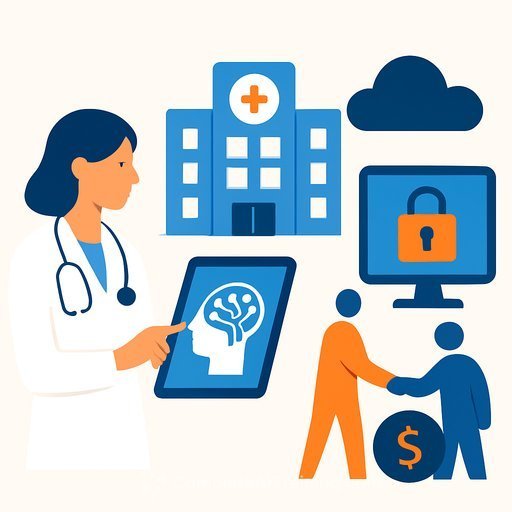
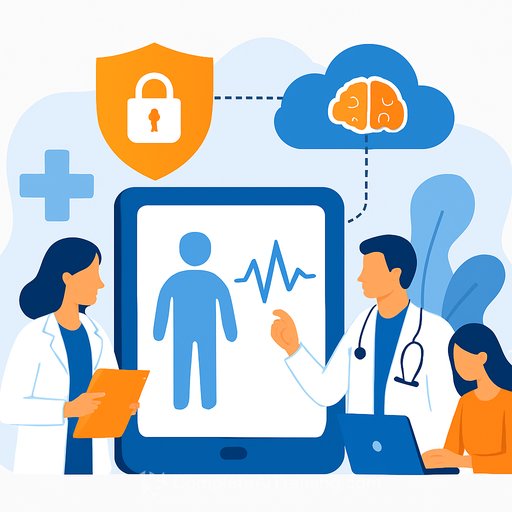
EHRs, scheduling, billing, and contact centers often operate as separate islands. Patients confirm an appointment online, call later, and still get transferred because no one sees the whole picture. Orchestration solves this by unifying identity, intent, and history in a secure layer.
The NHS is proving what good data stewardship looks like with secure data environments that protect privacy while enabling insight. That model shows data can be both protected and useful without trade-offs. See NHS Secure Data Environments.
Privacy-First Personalization
Trust is the baseline in healthcare. Modern routing leans on behavioral signals - what people say and how urgent it sounds - instead of sensitive demographics. This keeps interactions compliant while still personal.
CareSource used Microsoft tools to match patients with agents or AI based on need. They saw faster response times, better personalization, and less agent burnout. Transparent logic builds confidence for both patients and staff.
Shorter Waits and Higher First-Contact Resolution
Nothing shapes perception like the wait. AI can separate quick scheduling questions from critical requests and route accordingly. That reduces callbacks and accelerates care.
Siemens Healthineers connected 2,200 experts across 35 countries with Genesys Cloud, routing based on urgency and expertise. The rollout finished in eight months with zero downtime. Kaiser Permanente used natural language processing to triage millions of patient messages, automatically routing nearly a third to care teams before a physician's inbox - cutting delays and freeing clinicians for complex cases.
Relieving Staffing and Capacity Pressure
Hiring alone can't solve the workload problem. Smarter routing balances queues in real time, matches tasks to skill, and hands routine admin to digital assistants.
Maxicare rethought its contact flows with NICE Enlighten AI Routing and saw over $11 million in annual savings and a 3x ROI - alongside faster, more personal service. In clinical settings, automation helps retain talent too. John Muir Health cut documentation time by 34 minutes per clinician per day and reduced physician turnover by 44%, giving teams more time for patients.
Automation with Empathy
Care feels cold when systems miss emotion. Good routing detects frustration and urgency, then escalates to a human at the right moment. Routine questions stay digital; sensitive issues get a human fast.
Dental Axess unified phone, email, WhatsApp, chat, and social through Genesys Cloud. They kept 100% call-answer rates, gained 24/7 responsiveness, and saved roughly 1.5 days of work each week - efficiency without losing the human touch.
How to Get Started
- Step 1: Build a secure data foundation. Link EHR, scheduling, billing, and contact center data inside a protected orchestration layer so identity, intent, and history move with the patient.
- Step 2: Pick the pressure points. Fix what hurts first - triage queues, referral delays, lab-result follow-ups. Small wins create momentum and buy-in.
- Step 3: Choose the right platform. Require real-time decisions and explainable logic. The system should show why it acted, not just what it did. Track the basics: faster responses, higher first-contact resolution, and happier clinicians. Expand when the data proves it.
What's Next
The next phase isn't about more tools; it's about connection. As interactions spread across apps, calls, and portals, the routing behind them needs to learn and adjust continuously.
We're moving from static workflows to adaptive systems that monitor outcomes and refine their own logic. Signals will trigger routing in real time - a spike in vitals, a lab result, an urgent message - and the right resource will respond. Platforms like Genesys Cloud already point in this direction.
At its best, AI routing restores order. Patients get to the right care faster. Clinical teams get breathing room. Trust in digital care grows again.
Want a practical way to upskill your teams on AI, automation, and real use cases? Explore concise courses by job role at Complete AI Training.
For industry priorities and context, see Deloitte's outlook on healthcare operations and engagement. Read the Deloitte report.
Your membership also unlocks: