
AI news ·
Progressive AI error lists driver as forest worker, costs her $1,000 in excess premiums
Progressive's AI system miscoded a South Carolina woman's occupation as "forest work," inflating her premium by $1,000 a year. One call to correct it dropped her monthly rate by $166.
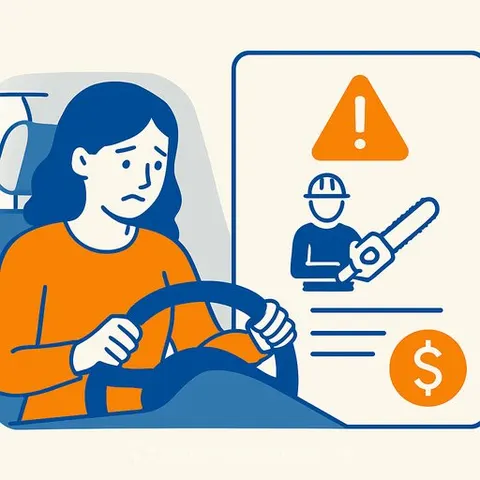
Progressive's AI Miscoded Customer Occupation, Costing Her $1,000 Annually
A South Carolina TikTok creator discovered that Progressive had her occupation listed as "forest work" - a mistake she never made and did not authorize. When she called to correct it, a customer service agent attributed the error to the company's AI systems. The fix dropped her annual premium by $1,000.
The creator, who posts general life commentary, shared a 56-second clip of the discovery on Wednesday. It has accumulated more than 653,000 views, mostly from drivers and insurance agents debating the accuracy of her advice.
How the Error Happened
During a routine call with Progressive, the agent asked about her occupation. She said she works in an office. The agent replied: "We merged with AI like seven or eight months ago, and it has you listed as 'forest work.'"
The agent corrected the field. The policy premium dropped by $166 per month.
Progressive has not announced a specific AI merger or vendor integration matching that timeline. The error - with the occupation overwritten to an unrelated value rather than a small prediction error - suggests a data-migration or automated-reclassification event rather than a real-time AI customer-service tool.
Carriers routinely ingest driving history, vehicle data, and personal information from third-party vendors like LexisNexis Risk Solutions, then run periodic re-rating jobs across active policies. An algorithmic mis-mapping in any step can leave customers carrying inflated premiums for months without notification.
Occupation as a Rating Factor
Occupation affects auto insurance premiums at most major U.S. insurers. Some jobs correlate with higher crash exposure. Some carriers attach group discounts to specific professional fields.
State regulators have questioned whether this practice is defensible. Massachusetts prohibits the use of education and occupation in auto rating. New York banned both in 2017. California's Department of Insurance proposed rules to end their use after a 2019 report found the practice produced premiums up to 25% higher for lower-income drivers.
In the 47 states that still permit occupation as a rating factor, how the data gets entered matters. Several commenters reported the same fix on their own policies. One user said an incorrect occupation entry was costing her $1,255 annually. Another reported Progressive had her down as commuting 100 miles each way; correcting it cut $600 from her premium.
What She Got Wrong About Tickets
The creator advised viewers to "request any speeding tickets or accidents to be removed from your record." Licensed insurance agents disputed this claim in the comments.
A State Farm agent wrote: "An insurance company cannot remove a ticket or accident from your record." An insurer customer service representative added that violations and at-fault accidents "show up on a report from a third party, and if you don't mention it during the quote it will affect your rate once it shows on the report."
The creator later corrected herself in a caption edit. A violation affects your premium for a finite window - typically three to five years - after which most insurers stop using it to set rates. The ticket remains on your motor-vehicle record at the DMV and stays discoverable. What changes is whether the insurer is allowed to keep weighting it in your premium.
The Broader Pattern
The same automated data-fill process that miscoded the creator's occupation produces another frustration: phantom drivers. CBS Colorado documented the practice in December 2024 after a Denver customer found an unknown name added to his policy with a premium hike. Progressive told the broadcaster the company "regularly review[s] information from third-party sources about individuals who possibly live in the household and should be added to active policies."
Multiple users in the creator's thread reported the same pattern, with roommates, ex-tenants, or prior residents auto-added to their policies. The higher premium stood until the customer formally re-excluded them.
What Drivers Should Do
The creator closed her edit with candor: "Policies vary by state, zip code, age, occupation and risk factor. The purpose of my video was to be informational in case anyone else's occupation got input incorrectly by AI. If you have further questions or concerns, call your insurance company."
For drivers in states that permit occupation as a rating factor, the actionable step is straightforward: pull up your declarations page, check what your carrier has on file, and call if it doesn't match your actual job.
For insurance professionals, this case illustrates a recurring problem with AI for Insurance systems: AI Agents & Automation can silently alter customer data during migrations or re-rating cycles. Errors compound when customers don't know to check, and systems don't flag the changes.