From AI to Human Capital: Qazaqstan NEXT 2026 - What HR Needs to Know
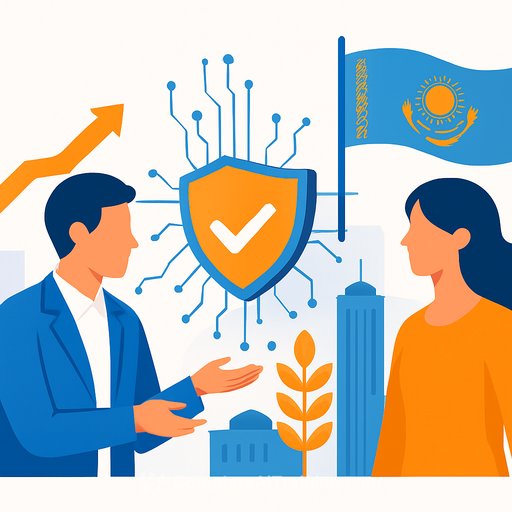
At Qazaqstan NEXT 2026 in Astana, leaders dug into five themes that matter for HR: AI and digital trust, energy, the creative economy, education and innovation, and the future of work. The message was clear - talent strategy is now national strategy. If you run people operations, you're sitting at the center of how Kazakhstan competes.
Key takeaways for HR
- AI and digital trust: AI will touch hiring, learning, productivity, and decision-making. Trust, fairness, and governance move from "nice-to-have" to "must-have."
- Energy transition: With nuclear and clean energy on the agenda, new technical roles and safety-critical skills will be in demand.
- Creative economy: Content, design, media, and product storytelling need distinct pipelines, not generic hiring funnels.
- Education and innovation: Universities are leaning into AI and research. HR should build tighter industry-academia bridges to secure future skills.
- Future of work: Skills-based org design beats rigid roles. Internal mobility and reskilling become the main levers of productivity.
Turning Points Qazaqstan: signal over noise
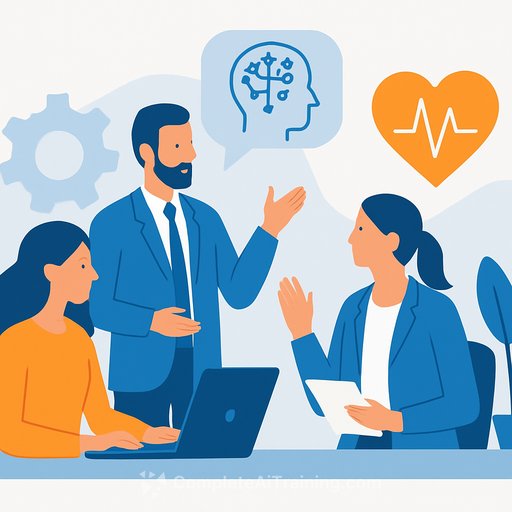
A local edition of Turning Points Qazaqstan, produced under license from The New York Times, launched alongside the forum. It brings essays and forecasts from global thinkers and Kazakh experts - with topics spanning global nuclear energy, AI in universities, food security, and AI in healthcare.
For HR, this is a practical feed of macro signals. Use it to pressure-test your workforce plan: energy skills demand, AI adoption in education, and sector-specific shortages that will hit recruitment first.
Practical moves for HR in 2026
- Build a living skills map: List the top 30 skills your company needs across AI, data, engineering, and creative roles. Tag employees to skills, not just job titles.
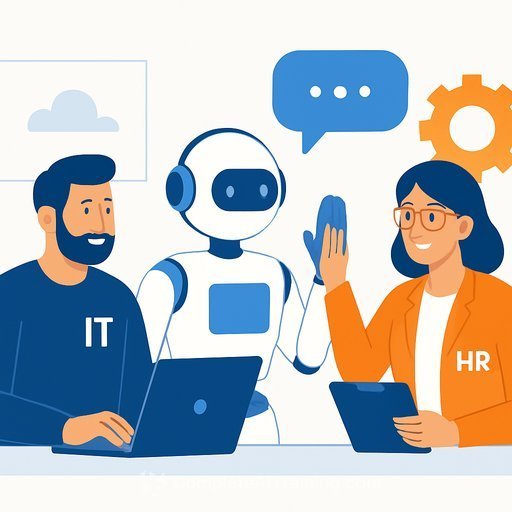
- Write an AI-in-HR policy: Cover use cases (sourcing, screening, L&D, productivity), human oversight, data security, vendor standards, and audit logs.
- Stand up short-cycle reskilling: 6-12 week sprints beat 12-18 month programs. Focus on prompt writing, data literacy, workflow automation, and safety basics.
- Create an internal talent marketplace: Post gigs and projects to reduce external hiring and keep critical work moving.
- Lock in university partnerships: Co-design microcredentials with local universities focused on AI, energy, and healthcare data roles. Tie them to internships and job offers.
- Plan for the energy shift: Build pipelines for nuclear operations, safety, maintenance, and regulatory roles. Model retirement risk and certification timelines now.
- Back the creative economy: Build craft-specific tracks for content design, multimedia, and product storytelling. Don't force them into generic marketing ladders.
- Engage public-private forums: Use platforms like Qazaqstan NEXT to align on skills taxonomies, credentials, and incentives. Policy will follow clear business demand.
AI and digital trust: what good looks like
AI can speed up candidate outreach, reduce rote admin, and personalize learning. It can also create bias and risk if ungoverned. Set clear guardrails: documented use cases, human review at decision points, bias testing, and vendor requirements tied to an established framework.
If you need a reference point, the NIST AI Risk Management Framework offers a usable structure for mapping risks and controls. Read the framework and adapt it to HR processes.
Why this matters for Kazakhstan's talent market
Speakers underscored that Kazakhstan aims to be a source of ideas and innovation, not a passive consumer. That stance can attract global projects, funding, and remote talent - but only if companies prove they can develop skills at pace and keep governance tight.
Expect growing demand in nuclear and clean energy, AI-enabled healthcare, agritech tied to food security, and creative roles serving regional media and product brands. HR teams that build credible learning paths will win the hiring battles before they start.
Signals you can track
- Education: Expansion of AI programs and research labs at local universities - a key feeder for data and engineering roles.
- Policy: Incentives for STEM training, microcredentials, and apprenticeships.
- Sector momentum: Nuclear and clean energy projects moving from planning to execution; health systems piloting AI.
Where to upskill fast
Build a simple stack: prompt writing, workflow automation, data literacy, and ethics. Pair team practice with certifications to validate skills and make mobility easier.
- WEF Future of Jobs Report for macro skill demand
- AI upskilling paths by job role for quick course mapping
- Popular AI-related certifications to standardize validation
Bottom line for HR
AI, energy, and the creative economy are moving ahead. The forum put human capital at the center of that shift. If you can quantify skills, train fast, and govern AI with care, you'll improve performance and make your company a magnet for talent - in Kazakhstan and beyond.
Your membership also unlocks: