
AI news ·
Randomized trial triples accuracy of detecting hospital-acquired delirium
AI tools tripled detection accuracy for hospital-acquired delirium, affecting up to 33% of elderly acute patients. Catching it earlier could reduce fatalities.
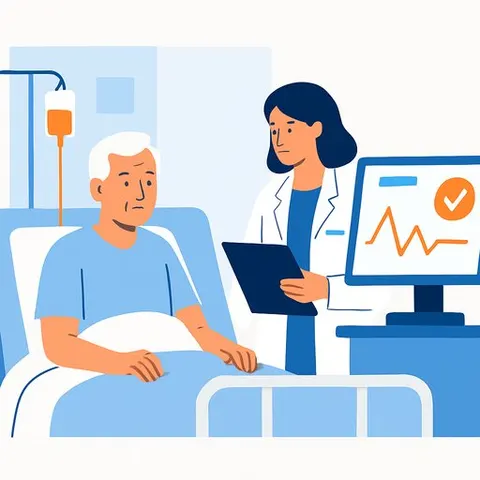
A new randomized trial has tripled the accuracy of detecting hospital-acquired delirium, a condition that can be fatal, according to Dr. Fahad Razak, Canada research chair in healthcare data and analytics at the University of Toronto.
The findings, discussed on HIMSS TV's Global Artificial Intelligence program on July 15, 2026, point to AI-driven tools as a way to catch a complication that often goes unnoticed in busy hospital wards.
A silent threat
Hospital-acquired delirium affects up to one-third of elderly patients in acute care. It is linked to longer stays, cognitive decline, and higher mortality. Current screening relies on clinical observation and brief assessments, which can miss cases-especially in patients who are quiet rather than agitated.
What the trial found
Dr. Razak said, "Detection of hospital-acquired delirium, which can be fatal, could be improved as a new randomized trial triples the accuracy of detection."
The trial's randomized design adds weight to the claim. By tripling detection accuracy, the AI system flags patients who might otherwise slip through, giving care teams a chance to intervene earlier.
Bringing AI to the bedside
While specifics of the AI method remain under wraps, the result fits with broader efforts to embed machine learning into clinical workflows. The trial highlights the growing role of AI in clinical settings, from diagnostics to patient monitoring. For professionals looking to build skills in this area, AI for Healthcare offers training on practical applications.
Why this matters for healthcare professionals
For clinicians, earlier detection of delirium means faster treatment and potentially fewer deaths. AI tools that integrate with existing electronic health records could reduce the manual burden on staff and standardize screening across shifts. As hospitals face pressure to improve patient safety and reduce length of stay, this technology addresses a clear and measurable gap.