
AI news ·
Seven steps employers can take now to prepare for AI compliance in hiring
Over half a dozen state and local laws on AI hiring tools are already in effect. Employers can reduce legal risk now by following seven core practices covering bias audits, candidate notices, and validation evidence.
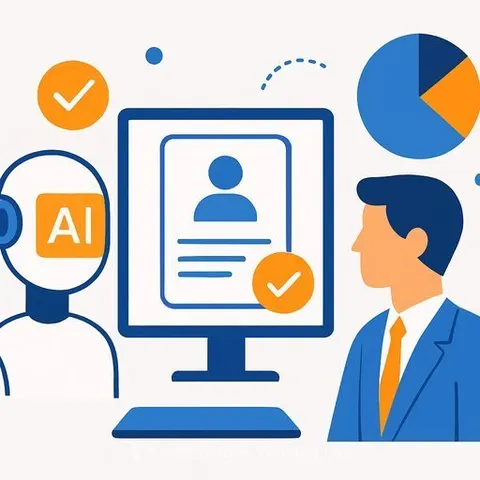
Employers Face Seven Steps to Build AI Hiring Compliance
More than a half dozen state and local laws governing AI in hiring decisions are already in effect, with additional regulations on the way. Employers can start building compliance frameworks now using seven foundational practices that apply across jurisdictions, reducing legal risk and preparing for future regulatory changes.
Each law carries different requirements, but the core obligations overlap. Most mandate adverse impact analyses-often called bias audits-candidate notices, and periodic reporting to authorities. Some require job relatedness evidence or offer safe harbor provisions for organizations that identify and mitigate bias.
Start with stakeholders and inventory
Assemble the right team early: legal counsel, talent acquisition leaders, business decision-makers, AI developers, and experts in selection practices and adverse impact analysis, such as Industrial/Organizational psychologists.
Next, catalog every selection procedure in use. Document which jobs use each tool and which jurisdictions are affected. This inventory also surfaces gaps in existing documentation-critical information for later compliance steps.
Understand your selection procedures
Know how each tool works. This means understanding model development, training data, features used, their relationship to job requirements, and how the system scores and ranks candidates.
This knowledge determines whether specific laws apply and reveals where safeguards may be missing.
Map applicable laws and requirements
Review each law that covers your organization. Most require at least one of these: adverse impact analyses, candidate notifications, or annual reporting to authorities.
Some laws also mandate independent third-party auditors. Even without a legal requirement, external auditors can strengthen credibility and preserve objectivity.
Conduct proactive audits before required
Consider auditing selection procedures before any law mandates it. A voluntary audit-internal or third-party-surfaces risks early, before they become enforcement issues.
Include both qualitative assessment (evaluating job relatedness and potential bias sources) and quantitative adverse impact analysis where data permits.
Gather validation evidence
Where validation is limited, outdated, or weak, develop a plan to evaluate whether selection procedures actually work as intended and are job-related.
This may involve updating job analyses, conducting validation studies, or researching whether the tool is transparent and adds value to hiring decisions. Validation work strengthens legal defensibility when audits surface concerns.
Build a scalable framework
These steps create a foundation that scales across multiple jurisdictions and adapts to future rules. Organizations that act early and deliberately will deploy AI responsibly, manage risk, maintain operational continuity, and adjust to evolving requirements.
Reactive, last-minute compliance efforts are far costlier than building a strong foundation now.
For legal professionals overseeing AI compliance in hiring, understanding AI for Legal professionals provides deeper context on regulatory requirements. HR leaders implementing these strategies may benefit from an AI Learning Path for CHROs.