
AI news ·
SLB and Qualcomm partner to bring edge AI to oilfield operations
SLB and Qualcomm are partnering to run AI directly on oilfield equipment, cutting reliance on distant data centers. The deal combines Qualcomm's edge chips with SLB's Agora platform for faster decisions in remote, low-connectivity sites.
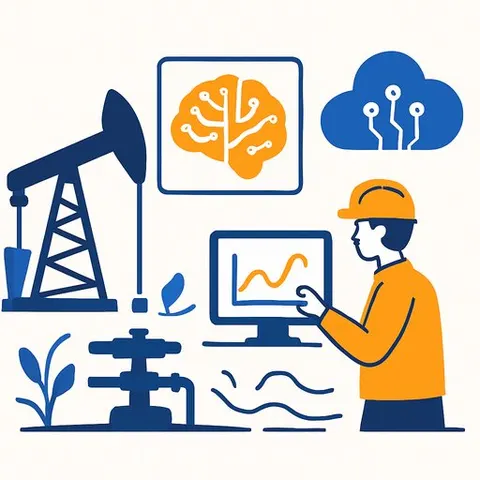
SLB and Qualcomm Partner to Deploy AI at Energy Worksites
SLB and Qualcomm Technologies announced a partnership Monday to bring artificial intelligence processing directly to oilfield equipment, allowing operators to make real-time decisions without relying solely on centralized data centers.
The collaboration combines Qualcomm's low-power edge computing technology with SLB's Agora platform, an edge AI and IoT system built for remote energy operations. The goal is to reduce latency and improve responsiveness in environments where connectivity is limited or unreliable.
Why This Matters for Operations
Energy companies increasingly depend on automation and autonomous workflows across production systems. Running AI at the asset level-rather than sending data to distant servers-addresses a real operational problem: decisions that need to happen in seconds, not minutes.
Deploying AI closer to field equipment can improve how quickly operators respond to changes, reduce the risk of system failures in low-connectivity areas, and strengthen cybersecurity by keeping sensitive operational data closer to where it's used.
"Many energy operations rely on real-time decision-making in remote environments where connectivity and responsiveness directly affect performance," said Rakesh Jaggi, president of Digital at SLB.
What the Partnership Covers
The companies will integrate AI applications into production operations by combining SLB's digital production technologies with Qualcomm's edge processing capabilities. The focus areas include modernizing older operating systems, improving cybersecurity on operational technology networks, and enabling autonomous workflows.
Nakul Duggal, executive vice president at Qualcomm, noted that industrial environments require AI systems that can run on limited power and handle real-time demands-constraints that are common in energy operations.
The partnership reflects a broader shift in the industry. As energy companies seek to improve efficiency and support increasingly autonomous production systems, they're moving AI processing out of centralized data centers and into the field, where decisions actually happen.
Learn more about AI for Operations and AI Agents & Automation to understand how these technologies apply to your role.