
AI news ·
Snap cuts 1,000 jobs as CEO cites AI advances
Snap is cutting 1,000 jobs - 16% of its workforce - attributing the move directly to AI automation. CEO Evan Spiegel says the company will redirect budgets toward ML engineering and AI-driven features.
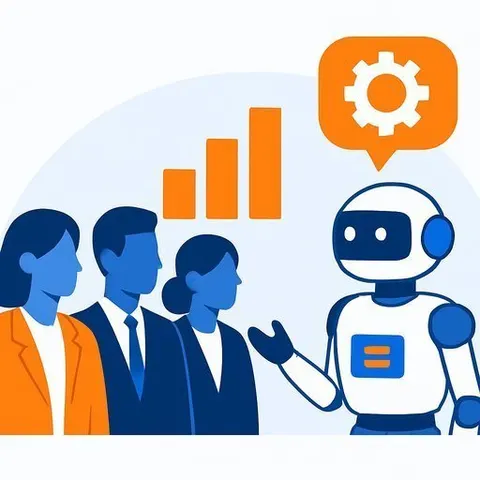
Snap Cuts 1,000 Jobs as AI Automation Reshapes Consumer Tech
Snap is eliminating roughly 1,000 employees-16% of its global workforce-citing advances in artificial intelligence as the primary driver. CEO Evan Spiegel said the company needs to align its headcount with a business that is increasingly automated and AI-driven.
The move signals where Snap plans to invest: AI-first product features, automation of operational tasks, and hiring for machine learning and data infrastructure roles. The company will redirect engineering and product budgets toward these priorities while consolidating or eliminating roles that AI can now handle.
Where the cuts land
Snap plans to accelerate automation in three areas: content moderation, ad operations, and recommendation pipelines. These functions have become candidates for AI automation as models improve.
New hiring will concentrate on ML engineering, data platform teams, and applied research roles. Product development teams will likely grow where AI integrates directly into user-facing features.
What this means for product teams
Snap's restructuring reflects a broader pattern across consumer tech. Companies are rebalancing headcount to ship generative and personalized experiences faster, while automation handles routine operational work.
For product developers, this signals sustained demand for roles that combine AI capabilities with user experience design. The bottleneck is no longer building features-it's integrating AI models into products that users actually want.
Watch Snap's product roadmap over the next quarter. Capital flows will reveal whether the company prioritizes new AI products, partnerships with model providers, or infrastructure improvements.
Displaced employees with ML and data experience will move to other AI-focused firms, tightening competition for specialized talent. This acceleration of internal reorganization creates demand for production ML reliability engineering and scalable data pipelines-skills that remain scarce.
The layoff is both a business decision and an industry signal. It confirms that AI advances don't just enable new features; they materially reshape which roles companies need and how budgets get allocated.
For more on how AI is changing product development, see AI for Product Development and AI Agents & Automation.