
AI news ·
Solera launches AI engine to connect data and workflows across automotive ecosystem
Solera launched an AI Engine that connects claims, repairs, parts sourcing, dealer ops, and insurance workflows into one shared platform. The system targets the manual handoffs that slow automotive companies when their tools don't talk to each other.
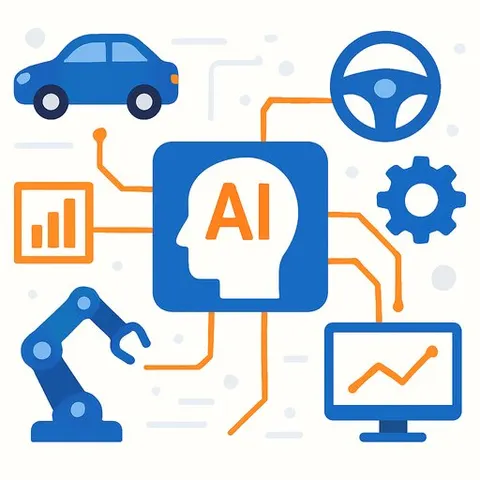
Solera launches AI infrastructure to connect fragmented automotive workflows
Solera introduced an AI Engine embedded in its cloud platform designed to connect data and automate processes across the automotive ecosystem. The infrastructure links claims, repairs, diagnostics, parts sourcing, dealer operations, fleet activity, and insurance workflows into a single intelligence layer.
The company built the system to address a specific problem: automotive companies rely on disconnected tools that force manual handoffs between dealers, insurers, repair facilities, fleets, and parts suppliers. Solera's approach treats data integration and workflow automation as foundational infrastructure rather than bolted-on features.
What it does for product teams
For product development teams, the engine compresses timelines by automating routine orchestration work. Instead of building point solutions for individual workflows, teams can leverage a shared data foundation and automation layer to develop features faster.
The architecture connects Solera's proprietary automotive data with its existing cloud platform and workflow capabilities. This combination lets product teams access clean data and pre-built automation patterns rather than starting from scratch on each project.
The business case
Alberto Cairo, CFO and Managing Director at Solera, said the industry doesn't need more isolated AI tools. "The Solera AI Engine is that infrastructure. It connects the data, automates the workflows, and gives us the speed to build what our customers need - when they need it," he said.
The move reflects a broader shift in how companies deploy AI: less emphasis on adding features, more on building infrastructure that makes existing systems work together.
For teams working on AI for Product Development or AI Agents & Automation, the Solera model demonstrates how infrastructure-first approaches can reduce friction across complex ecosystems.