
AI news ·
South Korea warns AI wealth gap could worsen labor unrest as Samsung strike ends
South Korea's Deputy PM warned AI risks widening inequality and fueling labor unrest, even as Samsung and SK Hynix stocks soared up to 200%. He linked recent strikes directly to how AI wealth concentrates among corporations.
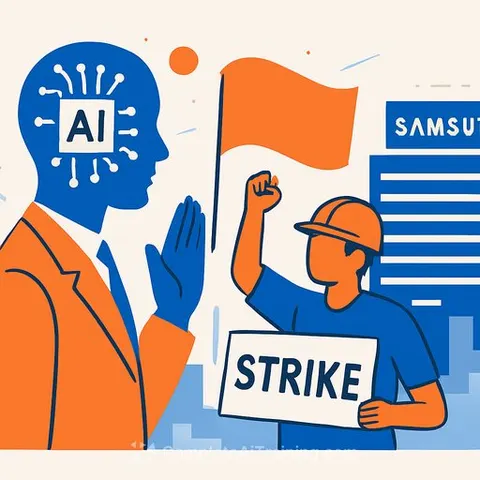
South Korea warns AI wealth gap could fuel labor unrest
South Korea's Deputy Prime Minister Bae Kyung-hoon said artificial intelligence risks widening inequality and eliminating jobs, even as the nation's stock market surges on AI-driven gains at Samsung Electronics and SK Hynix.
Speaking to CNBC, Bae said creating wealth through AI isn't enough. The government must ensure that wealth benefits the broader public, not just technology executives and shareholders.
The warning comes days after Samsung suspended a planned 18-day strike following government intervention. Unionized workers had demanded formalized bonuses, removal of bonus caps, and a 15% payout of Samsung's operating profits. Union members voted on an agreement reached May 23.
Bae connected recent labor disputes directly to how AI wealth concentrates. "Recent labour-management conflicts can also be seen as part of this broader trend," he said.
Stock prices tell part of the story. Samsung shares have risen 144% since January, while SK Hynix jumped 200%, pushing the KOSPI index up 86%.
Bae expressed little optimism about labor peace ahead. "In the age of AI, more of these super-large companies will continue to emerge. In that process, labour-management conflicts may continue to arise."
Hyundai's integration of Boston Dynamics Atlas robots into manufacturing exemplifies worker concerns. Automation promises efficiency but threatens job displacement. Bae acknowledged the tension directly: "There are many concerns and worries" about such deployments.
The government now faces pressure to prevent AI from becoming a tool that enriches corporations while leaving workers behind. For government officials, the challenge is structural: how to capture AI's productivity gains while distributing them broadly enough to prevent labor unrest.
Learn more about AI for Government and AI Agents & Automation to understand how policy makers are addressing these tensions.