AI Call Centers Cut Costs, But Customers Want Humans
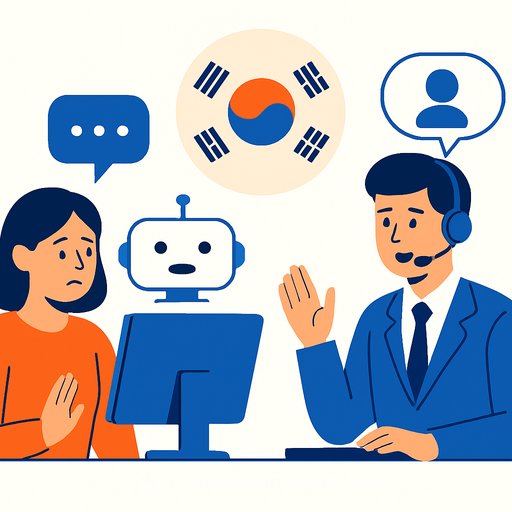
South Korean companies are replacing hundreds of thousands of customer service calls with voice bots each month, slashing labor costs in the billions of won. The trade-off: more than half of customers say they're dissatisfied with AI-based support, and nearly 90 percent still prefer speaking to a human agent.
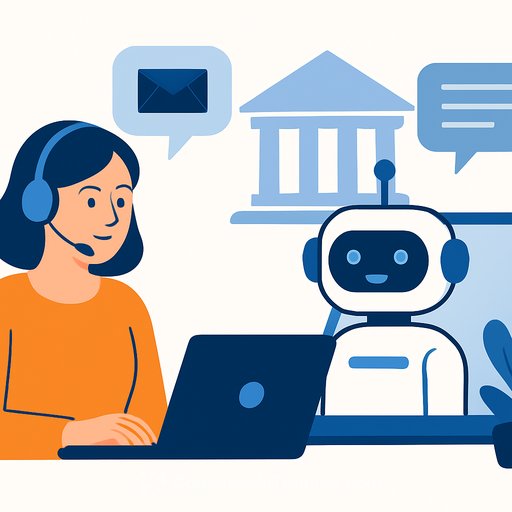
Major telecom and financial firms are accelerating the shift to AI-powered contact centers. Even handling just 20 to 30 percent of calls through automation produces substantial savings. One large telecom company replaced more than 300,000 monthly calls with voice bots.
The efficiency gains haven't improved customer satisfaction. A survey by a research institute affiliated with the Korean Confederation of Trade Unions found widespread frustration with AI support systems.
The Hidden Barrier to Human Support
Some companies have deliberately layered their systems to make reaching a live representative difficult. Customers report being cycled through multiple chatbots and voice menus before abandoning calls entirely when responses prove irrelevant or repetitive.
Consumer advocates compare this to "digital dark patterns" - interface designs that steer users toward unintended outcomes. The problem hits hardest for older people and those less comfortable with digital tools, widening the gap in access to essential services.
Call Center Workers Face Heavier Loads
As AI filters out routine inquiries, human agents inherit the complex and emotionally demanding cases. More than 60 percent of workers surveyed said their working conditions worsened, citing increased stress and heavier workloads.
Regulatory Gaps Remain
Current South Korean laws governing e-commerce and financial consumer protection don't directly address AI customer service. There are no guaranteed rights to human agent access or minimum standards for AI response quality.
Experts say clearer guidelines are needed. Labor groups have called for mandatory assessments of employment impacts and for companies to reinvest automation savings into better working conditions and support for vulnerable users.
The debate has shifted from what AI can do to how it should be used - and who pays the price for its efficiency.
For customer support professionals managing this transition, understanding both the capabilities and limitations of AI systems is essential. Learn more about AI for Customer Support or explore an AI Learning Path for Call Center Supervisors to navigate these changes effectively.
Your membership also unlocks: