
AI news ·
Southeast Asia moves toward unified digital travel system with biometrics and AI by 2026
Five Southeast Asian nations are rolling out biometric and AI travel systems across major airports and borders by late 2026. Facial recognition, shared digital visas, and app-based booking will change how tourists move through the region.
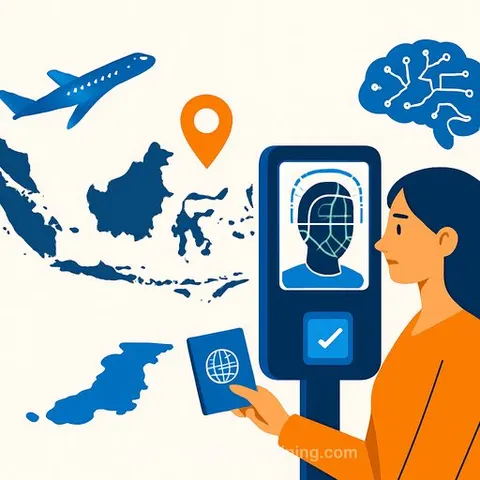
Southeast Asia's Five Nations Launch Digital Travel Systems in 2026
Singapore, Thailand, Malaysia, Vietnam, and Indonesia are rolling out new AI and biometric technologies for travelers starting this year. The changes will affect how tourists book trips, move through airports, and cross borders within the region.
The shift centers on three main areas: AI-powered booking and personalization, facial recognition and fingerprint scanning at airports, and a shared digital system across all 10 ASEAN nations. Major airports including Singapore Changi and Kuala Lumpur International will implement these systems by late 2026.
What's Launching When
Travel Tech Asia 2026, running October 21-23 in Singapore, will showcase the year's major innovations. Two systems stand out: a Hotel Tech Cluster featuring AI tools for room management and guest preferences, and Agentic AI, which handles bookings and calendar syncing without human input.
Thailand's Amazing Thailand SuperApp will expand throughout 2026, matching travelers with personalized itineraries and local guides through an AI system. A National Stakeholder Portal lets local businesses offer real-time services to tourists.
Malaysia's Digital Arrival Card, launched in 2025, continues as the standard for digital registration. The system particularly affects visa-free travelers from India and China. Vietnam will see new air connectivity in September when Akasa Air launches direct flights from Mumbai to Hanoi, integrating digital booking into the route.
Biometrics and Border Changes
Zero-touch biometric systems will reduce time at check-in and security by using facial recognition and fingerprint scanning. Travelers won't need to hand documents to staff or stop for manual checks.
The ASEAN Single Digital Ecosystem, part of the ASEAN Tourism Sectoral Plan 2026-2030, aims to simplify cross-border travel across all 10 member nations. The system will streamline visa processes and customs procedures, though details on implementation timelines remain limited.
What This Means for Hotels and Events
Hotel operators should prepare for AI systems that will manage bookings, track guest preferences, and optimize room allocation. The shift toward cashless payments and e-commerce platforms-part of Thailand's Tourism Next strategy-means your payment systems need to support digital wallets and mobile apps.
Event planners should expect travelers to arrive with digital itineraries already booked through apps. Metaverse planning tools will let guests preview experiences in VR before arrival, potentially changing how you market and sell packages.
Staff will need training on new biometric systems at check-in. The reduction in manual processing means fewer bottlenecks but requires different operational workflows.
For more on how AI affects your sector, see AI for Hospitality & Events. The autonomous AI platforms launching this year rely on Generative AI and LLM technology that's reshaping how bookings and recommendations work.