
AI news ·
Stanford's AI tutoring tool improves student outcomes, study finds
Stanford's Tutor CoPilot gives human tutors real-time AI suggestions during sessions, and a controlled trial found it helped less-experienced tutors perform closer to seasoned peers.
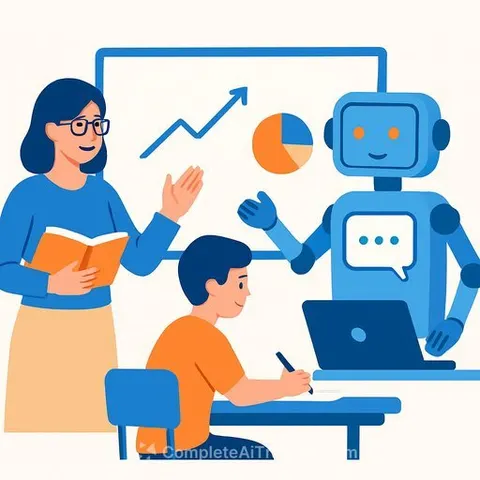
Stanford's AI Tutor Tool Shows How Technology Can Strengthen Teaching
Researchers at Stanford University developed Tutor CoPilot, an AI system that provides real-time guidance to human tutors during student sessions. The tool suggests responses and prompts designed to help tutors ask better questions and offer more targeted support.
A randomized controlled trial found that students working with tutors using Tutor CoPilot were more likely to master course material. The gains were largest among students paired with less-experienced tutors.
The results matter because they show AI doing something specific: improving the effectiveness of existing instruction rather than simply increasing access to tutoring. The system keeps the tutor-not the algorithm-at the center of the learning experience.
What the research reveals
The trial data suggests the tool levels the playing field between experienced and novice tutors. Less-experienced tutors using the system performed closer to their more seasoned peers, which has direct implications for scaling tutoring programs without sacrificing quality.
The approach differs from AI systems designed to replace human instruction. Tutor CoPilot functions as a support layer that helps tutors work more effectively within their existing role.
Relevance for educators
For educators evaluating new tools, Tutor CoPilot demonstrates how AI can address a real problem: the gap between what expert tutors do and what less-experienced ones deliver. The controlled trial provides concrete evidence rather than speculation.
Educators interested in understanding how AI tools fit into teaching practice can explore AI learning resources for teachers or review broader AI applications in education.