
AI news ·
Startups build AI tools to monitor employee workflows and flag inefficiencies
AI tools that track employee movements, app usage, and workflows are drawing investment as companies seek to cut costs. HR leaders must now decide how far monitoring can go before it becomes surveillance.
AI Systems Now Monitor How Employees Work-and HR Leaders Face a Reckoning
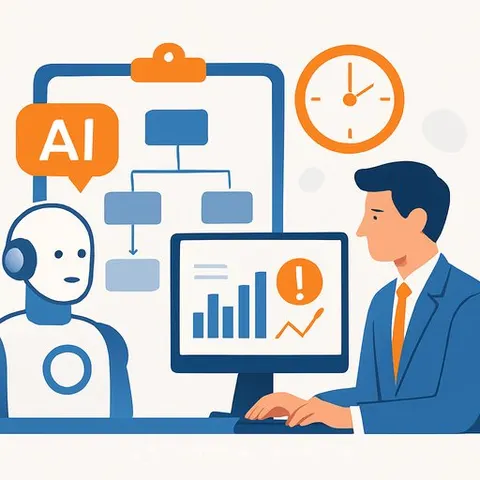
Startups are building AI systems that track employee movements, software usage, and workflows to identify inefficiencies and reduce wasted time. These tools analyze how long tasks take, how often workers switch between applications, and which operational steps repeat unnecessarily. The systems then suggest process improvements to cut costs and boost productivity.
The technology reflects a shift in how companies use AI. Rather than automating tasks or serving customers, these systems focus on analyzing work behavior itself.
What the systems do
The monitoring tools collect data on employee performance across digital workflows. They track time spent on different processes, navigation between tools, and repetitive operational steps. Companies use this data to build accurate pictures of how teams and departments actually operate, not how managers assume they do.
Cost and productivity pressures have driven demand. As companies adopt cloud systems and digital work, they increasingly seek tools that improve performance and eliminate operational waste. Investors are paying attention-workflow monitoring systems are attracting growing interest.
The privacy problem
The efficiency gains come with significant risks. Tracking digital activity and analyzing employee behavior raises questions about where efficiency monitoring ends and excessive surveillance begins.
Employees and legal experts worry these systems could become tools for constant evaluation and pressure rather than process improvement. That shift could damage workplace trust and trigger legal challenges over employee rights and personal data use.
What's changing in HR management
AI is moving into core HR functions. Instead of relying on traditional performance reviews or manager observations, companies now analyze work in real time using digital analytics. This gives management better visibility into processes and problems-but also unprecedented access to behavioral data.
The expansion reflects a broader trend: operational data is now treated as a competitive resource. AI for Management practices are shifting from periodic evaluation to continuous monitoring.
The balance question
HR leaders now face a core challenge: how to capture efficiency gains without crossing into invasive surveillance. Excessive monitoring can trigger legal objections, ethical concerns, and employee backlash that outweighs any productivity benefit.
The debate over AI's role in AI for Human Resources management will likely intensify. Companies need clear policies on what data they collect, how they use it, and what employees can expect. Without those boundaries, the tools designed to improve operations may instead damage the workplace itself.