
AI news ·
States take divergent approaches to regulating AI in health insurance as federal rules lag
States are writing their own rules on AI in health insurance decisions, with no federal standards in place. The result is a patchwork where your state-not just your insurer-determines if AI can deny your claims without human review.
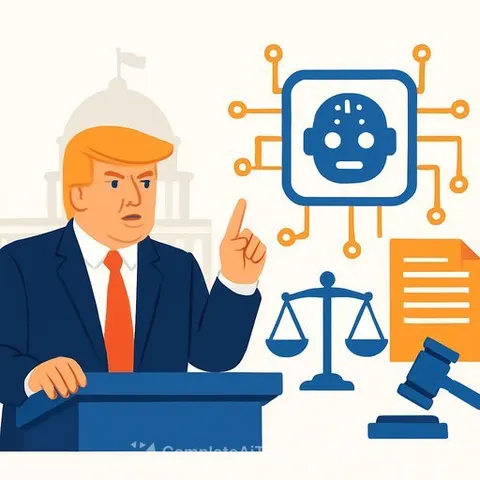
States Set Their Own AI Rules for Health Insurance as Federal Regulators Stay Silent
With minimal federal oversight, individual states are writing the rules for how artificial intelligence can be used in health insurance decisions. The result: a patchwork of regulations that could determine whether your insurer uses AI to deny claims without human review.
The divide is already visible in the Washington, D.C., region. Maryland and Virginia have adopted starkly different approaches to regulating AI in health coverage, creating separate standards for residents just miles apart.
What Insurers and Physicians Disagree On
Insurers and AI vendors emphasize speed, efficiency, and lower costs. Physicians raise a different concern: AI systems could deny coverage automatically, leaving patients without recourse and doctors unable to intervene.
The tension centers on a basic question. Should humans remain in the decision-making loop when AI recommends denying a claim?
The Regulatory Vacuum
Federal agencies have not issued comprehensive rules governing AI use in health insurance. That absence has pushed states to act independently, each setting its own standards.
For people working in insurance, this fragmentation creates operational complexity. A process compliant in one state may violate another state's rules.
Maryland and Virginia illustrate the range of possibilities. Their contrasting regulatory choices show how geography, not just company policy, now determines whether AI plays a major role in your coverage decisions.
As states continue drafting rules, insurers face pressure to either adapt systems state-by-state or adopt the strictest standard across all operations.