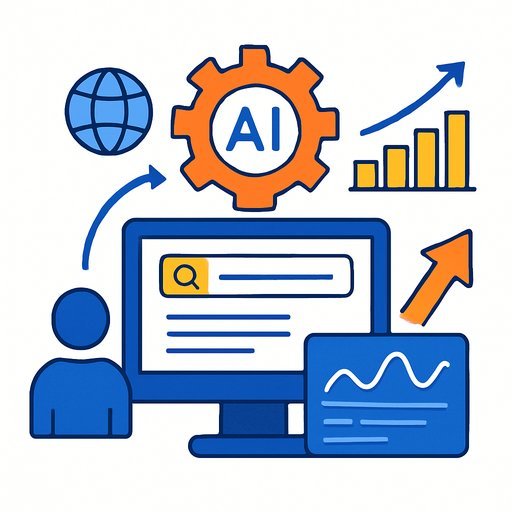
Generative Engine Optimisation (GEO) Moves to the Front of Digital Marketing
New York, New York - February 12, 2026. AI SEO released a report on Generative Engine Optimisation (GEO), outlining how AI-driven tools are changing early-stage research and discovery. More users now ask AI systems for direct answers instead of clicking through pages of search results.
For marketers, this shift brings a new visibility challenge: your content has to be clear, credible, and structured so AI systems can understand it and surface it in generated answers. GEO builds on traditional SEO, but it addresses how information is parsed, synthesized, and cited by AI.
What GEO Is (and Why It Matters)
GEO is the practice of shaping content so AI systems can easily extract purpose, relevance, and expertise. The goal is simple: give AI a clean, trustworthy signal so your brand is referenced in generated responses.
Traditional SEO still matters. Site structure and backlinks support discovery, while GEO helps ensure your content is picked up in AI summaries that influence early decisions.
Key Findings from the Report
- Users want immediate, concise answers from AI-fewer clicks, faster clarity.
- Interest in GEO is rising as teams look for ways to stay visible inside AI answers.
- Structured content, authority signals, and clear messaging are essential for recognition by AI systems.
- Content should communicate purpose, relevance, and expertise in a format AI can parse.
- AI-generated summaries are reshaping traffic patterns and the points where users convert.
- Website structure and backlinking continue to support visibility, while GEO meets new expectations set by AI-driven discovery.
How Marketers Can Adapt Now
- Turn topics into question-answer blocks. Lead with a crisp summary (2-4 sentences), then expand.
- Back claims with reputable sources and data. Make citations easy to identify.
- Use consistent terminology and entity names across pages to strengthen topical clarity.
- Apply structured data where it makes sense to help machines interpret context. See Schema.org.
- Strengthen internal linking so related content forms a clear thematic network.
- Maintain clear author or brand authority signals: credentials, about pages, and referenceable expertise.
- Track assisted impact: monitor impressions in AI overviews (where available), branded search lift, and conversion paths influenced by AI summaries.
"Generative Engine Optimisation reflects a shift in digital marketing strategy. Organisations are exploring ways to remain visible in AI-driven discovery, ensuring content is understandable, credible, and referenced in AI-generated answers," said Rob Phelps, Head of Search at AI SEO.
Integrating GEO with Your Search Strategy
The report recommends moving beyond isolated keywords to broader thematic coverage and trusted content networks. Clarity in communication, authoritative sourcing, and comprehensive topical depth increase the odds your content is cited by AI.
Keep your technical base solid-clean architecture and strong backlinks-then layer GEO practices so AI systems can quickly extract high-signal answers from your pages.
Skills and Tools to Accelerate GEO
If you're building GEO capability inside your team, structured learning can speed things up. Explore practical training for marketers that connects AI-assisted discovery with content strategy and measurement.
About AI SEO
Founded in the United Kingdom, AI SEO provides search consultancy services that combine traditional SEO with AI-driven strategies. The company specialises in Generative Engine Optimisation, helping organisations structure content, establish authority, and maintain visibility in AI-assisted discovery.
Learn more at AISEO.co.uk.
Your membership also unlocks: