Stop choosing between AI and human skills
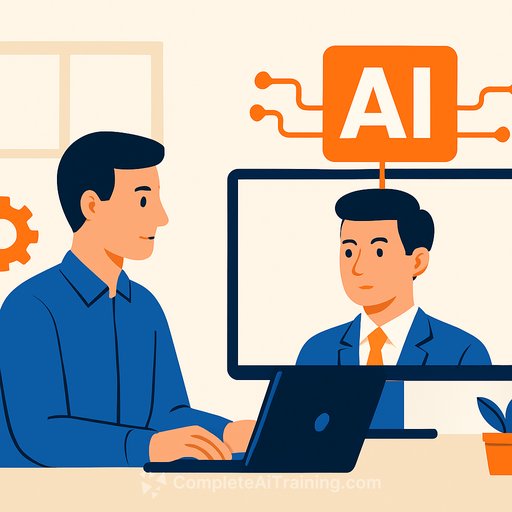
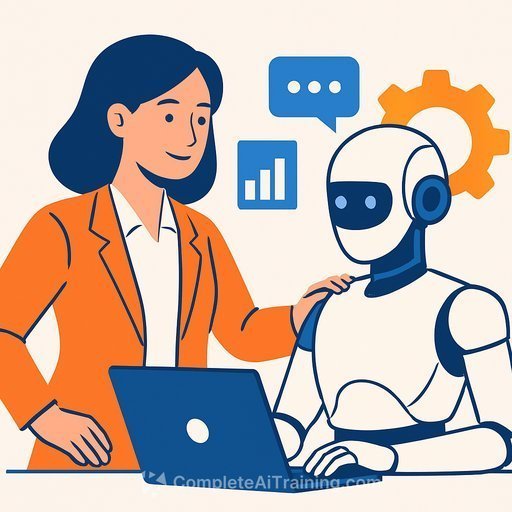
You don't have to pick sides. The best companies pair AI's speed and scale with human judgment and empathy. That mix produces higher accuracy, better experiences, and stronger teams. Treat AI as a force multiplier for your people, not a replacement.
What AI does well
- Automates routine, rules-based work at scale.
- Analyzes large datasets to spot patterns and anomalies.
- Generates predictions, drafts, summaries, and next-best actions.
- Monitors, routes, and prioritizes tasks in real time.
What humans do well
- Set goals, define constraints, and make value judgments.
- Interpret context, handle exceptions, and resolve ambiguity.
- Build trust through communication and empathy.
- Create strategies, negotiate trade-offs, and ensure ethics.
Design the workflow, not just the tool
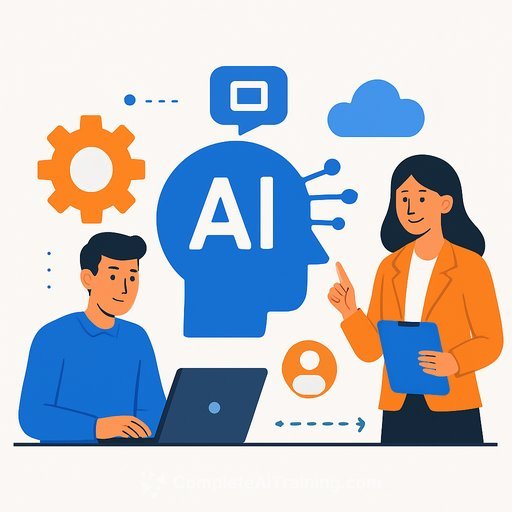
Adopt human-in-the-loop models. Let AI handle repeatable tasks while people oversee decisions that affect customers, careers, and compliance. Build feedback loops so human input trains the system and the system augments human work.
- Decide: What outcomes matter and what "good" looks like.
- Delegate: Which steps AI owns, assists, or flags for review.
- Guardrails: Policies for bias, privacy, and escalation.
- Feedback: Track overrides, errors, and improvement ideas.
Where to start: a simple playbook
- Pick one pain point with measurable impact (backlog, response time, cost to serve).
- Map the current process and identify handoffs, bottlenecks, and exceptions.
- Form a small squad: domain lead, process owner, data/ML partner, UX, and HR.
- Select tools that fit security and data needs; avoid lock-in early.
- Run a 4-6 week pilot with clear success criteria and human oversight.
- Measure results, refine prompts and policies, then scale what works.
- Document new roles, SOPs, and ethics checkpoints before rollout.
Metrics that matter
- Accuracy and defect rate by task type.
- Cycle time, throughput, and cost per transaction.
- Employee adoption, enablement time, and internal NPS.
- Customer CSAT, resolution time, and recontact rate.
- Fairness, bias tests, and override rate on sensitive calls.
- Time-to-value for new use cases and model updates.
Governance without gridlock
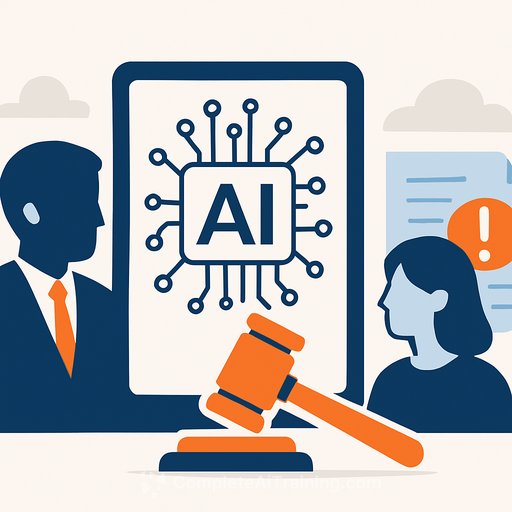
You need clear accountability and fast feedback. Use a lightweight model risk process that scales by impact. Keep humans in control for high-stakes decisions and audit the system end to end, not just the model.
- Data: source quality, lineage, retention, and consent.
- Controls: access, red-teaming, prompt security, and logging.
- Review board: legal, risk, HR, domain leads for high-impact use cases.
- Audits: document decisions, overrides, and model changes.
For structure, see the NIST AI Risk Management Framework (overview).
Implications for HR and managers
Your talent strategy will make or break adoption. Shift roles from task execution to problem framing, supervision, and relationship work. Focus on upskilling that helps people collaborate with AI, not compete with it.
- Role redesign: break jobs into skills; assign AI the repeatable parts; elevate human judgment and client-facing moments.
- Skills: data literacy, prompt craft, critical thinking, UX sense, and domain depth.
- Performance: reward outcomes and responsible use, not keystrokes.
- Change: communicate early, show examples, and co-create new SOPs with frontline teams.
If you're building capability across functions, explore practical learning paths by role at Complete AI Training - Courses by Job, or get a structured credential with the AI Automation Certification.
Budget and ROI that leadership will back
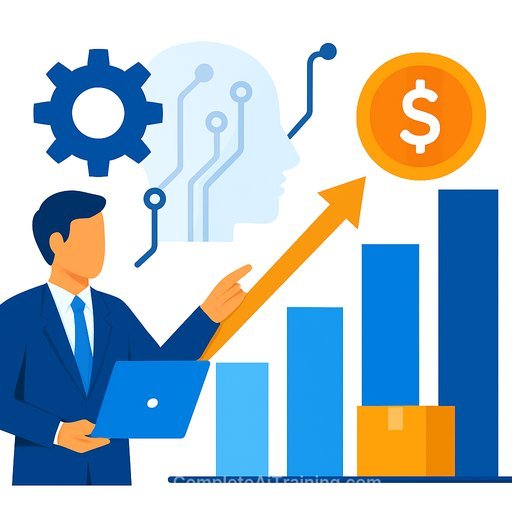
Treat this as an operating model upgrade, not a tech purchase. Tie value to fewer handoffs, faster cycle times, and higher-quality decisions. Redeploy saved hours into customer work, upsell, and process improvement rather than headcount cuts to sustain momentum.
Common pitfalls to avoid
- Tool-first rollouts without process redesign.
- Big-bang releases that skip pilots and controls.
- No change plan for managers and frontline teams.
- Over-trusting black-box outputs without review.
- Ignoring data quality and privacy from day one.
Quick wins by function
- Sales: lead scoring, call summaries, proposal drafts with human review.
- Marketing: campaign briefs, audience insights, asset variations tied to brand rules.
- Operations: demand forecasting, exception routing, knowledge retrieval.
- Finance: variance analysis, invoice matching, policy checks.
- HR: job descriptions, screening assist with bias controls, career pathing guides.
The real decision
Don't choose AI or humans. Choose a system where each strengthens the other. Start small, measure well, keep people in the loop, and scale the wins. That's how you get durable productivity, happier teams, and better outcomes for customers.
Your membership also unlocks: