
AI news ·
Study finds surgical patients prefer hybrid AI and human interpretation based on emotional context
Language barriers in surgery affect patient safety, and a new Mass General Brigham study found that offering choice-not a single method-improves outcomes. Patients preferred AI for speed and privacy, human video interpreters for sensitive talks.
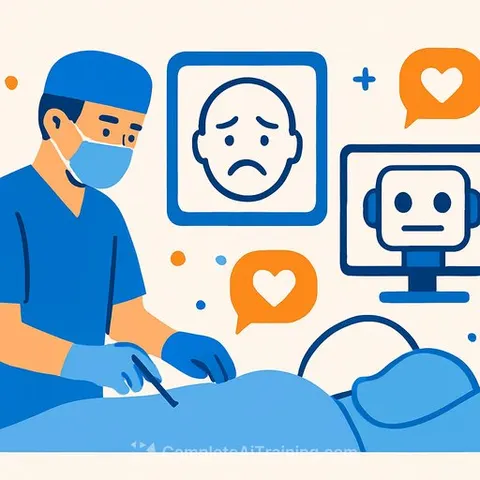
Hospitals should offer patients a choice of interpretation methods, study finds
Language barriers in operating theatres undermine patient safety and erode trust. A new study from Mass General Brigham shows that giving patients options-rather than forcing a single interpretation method-improves outcomes and engagement.
Researchers evaluated AI-powered medical interpretation alongside remote video interpretation (RVI) by recruiting 23 Spanish-speaking surgical patients at Brigham and Women's Hospital. The study, published in the New England Journal of Medicine, assessed how patients experienced each modality.
Patient preferences split along practical lines
Patients valued different tools for different situations. Remote video interpretation was preferred for emotionally sensitive or high-stakes conversations, where human presence mattered. AI interpretation was valued for instant, private translation-useful when speed and discretion were priorities.
The research used a modified technology acceptance model that measured patient perspectives through perceived usefulness, ease of use, emotional resonance, cultural alignment, and trust. The findings showed flexibility and choice as the top priorities across patient experiences.
When asked what would work best, patients consistently said: "A combination would be ideal."
One size doesn't fit surgical care
The data suggests that language access should not be treated as supplemental to care-it is critical to it. When patients feel heard and have options, engagement improves and outcomes follow.
A hybrid approach recognizes that different patients have different needs. Some prioritize privacy. Others need speed. Still others want a human presence during sensitive moments. Offering all three acknowledges that reality.
The advantage is operational. Hospitals can meet patients where they are instead of forcing adaptation to a single system.
What this means for hospitals
As interpretation technologies become routine in surgical settings, adoption decisions should account for patient experience-not just cost or convenience. The study shows that hospitals making these choices without understanding how patients experience the tools risk missing the point of language access entirely.
For healthcare professionals managing interpretation services, the takeaway is straightforward: assess your patient population, understand their preferences, and build systems that offer real choice rather than a default option.
Learn more about AI for Healthcare and how interpretation technology fits into broader clinical workflows.