
AI news ·
Surveillance capitalism and government data purchases leave Americans with little privacy
Federal agencies buy personal data from commercial brokers to sidestep legal limits on direct government collection. Your phone, car, payment apps, and store cameras all feed into this pipeline.
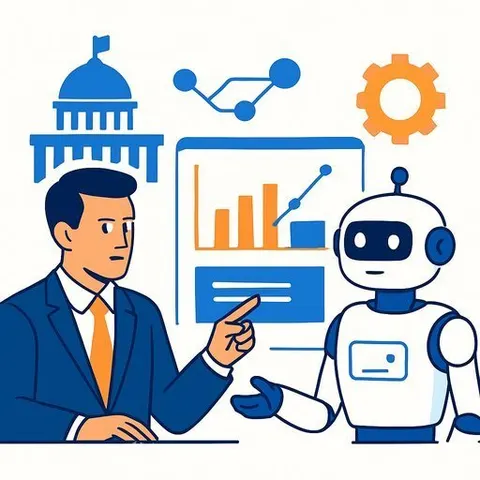
Your Data Travels From Private Companies to Federal Agencies
Federal agencies are buying personal information about Americans from commercial data brokers. The government purchases this data because it sidesteps legal restrictions that apply to direct government collection.
Your daily activities generate a continuous stream of data. Neighbors' Ring cameras capture your movements. Your car records driving patterns, location, conversations, and biometric readings like facial expression and heart rate. Your phone tracks communications, health data, app usage, and location through multiple signals. Retail stores use facial recognition to identify and monitor shoppers. Payment apps log purchases.
Data brokers aggregate this information and sell it. Companies use data analysis and AI to extract detailed patterns that predict and influence behavior-what people buy, how they feel, what they think.
The collection happens largely without meaningful consent. Opting out rarely stops the data gathering. Tinder, for example, plans to use AI to scan users' entire camera rolls.
The Government Connection
Unlike direct government surveillance, which faces constitutional and statutory limits, purchases from commercial brokers avoid those restrictions. The federal government is expanding this practice.
Agencies are also building direct partnerships with private tech companies to collect data themselves. These arrangements are becoming standard domestically and internationally as AI advances enable surveillance at scale.
For government employees, this creates a professional reality: the data systems you work with may depend on information collected through surveillance capitalism. Understanding how that data flows-from devices and stores to brokers to federal agencies-matters for anyone in public service.
Read more about AI for Government to understand how these systems operate in the public sector.