
AI news ·
Sutter Health and MemorialCare face lawsuit over AI recording of patient conversations without consent
Sutter Health and MemorialCare face a class-action lawsuit alleging they recorded patient conversations without consent using Abridge AI software. Plaintiffs say audio was sent to external servers and added to medical records.
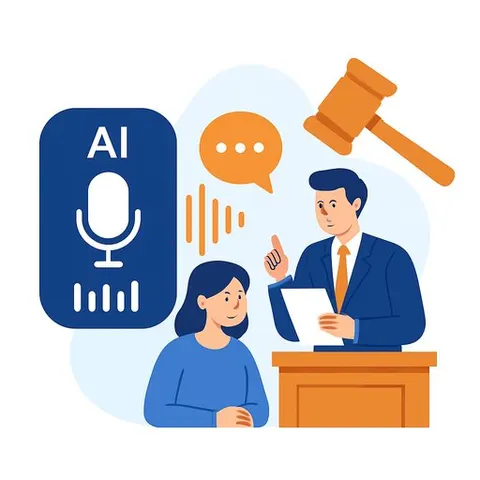
Two Healthcare Systems Sued Over Patient Recording Without Consent
Sutter Health and MemorialCare face a class-action lawsuit in California alleging they recorded and transcribed patient conversations without consent using AI software made by Abridge AI.
The companies deployed Abridge's ambient clinical documentation system in examination rooms, where microphone-enabled devices captured physician-patient conversations. The software transmitted audio to external servers for transcription and analysis, then generated draft clinical notes added directly to patient records.
Plaintiffs claim they received no clear notice that their medical conversations would be recorded, sent outside the clinical setting, or processed by third parties. The lawsuit invokes California privacy laws.
Sutter Health told Ars Technica that its technology use is "carefully evaluated and implemented in accordance with applicable laws and regulations." MemorialCare declined to comment.
Part of a Broader Pattern
Speech-to-text technology has drawn legal scrutiny in California. In April, transcription software firm Otter faced a lawsuit over its Note Taker product, which creates meeting notes through Zoom and Microsoft Teams integration. Plaintiffs accused the company of recording conversations without obtaining necessary permission from participants.
The cases highlight a gap between how AI transcription systems operate and what users understand about their data. Healthcare settings carry additional weight - patient conversations contain sensitive medical information protected under federal law.
For healthcare professionals implementing new tools, these lawsuits underscore the need to verify consent mechanisms before deployment. Transparency about data flow - where recordings go, who accesses them, how long they're stored - matters legally and operationally.
Learn more about AI for Healthcare and how these systems fit into clinical workflows.