
AI news ·
Synthetic voices and AI likenesses expose gaps in existing privacy and biometric laws
AI can now clone voices and faces convincingly, but privacy and biometric laws predate this capability. The legal gap leaves creators with no clear answers on consent, compensation, or control over synthetic likenesses.
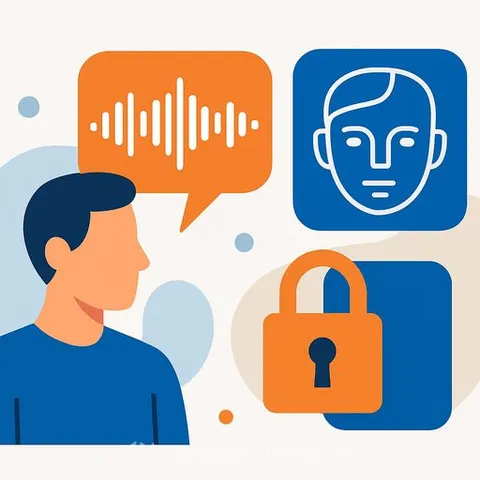
AI-Generated Voices and Images Are Outpacing Privacy Laws
Generative AI can now recreate a person's voice and likeness with enough realism to fool audiences. Existing privacy and biometric laws were written before this became possible, leaving a gap between what the technology can do and what the law actually covers.
For creatives and content creators, the question is immediate: who decides whether someone's synthetic voice or image can be used, how they get paid, and what happens to the generated output?
The Problem With Old Rules
Traditional privacy laws assume a straightforward flow. Someone's data gets collected. It gets processed within defined limits. The person has rights over that data.
Biometric laws work similarly. They regulate how voiceprints, facial geometry, and other identifiers are captured and used.
Generative AI breaks this model. The system doesn't capture your biometric data and then process it. Instead, it creates something entirely new - a synthetic likeness based on training data - that didn't exist before.
Where Consent Gets Complicated
Even when notice and consent are clear, the analysis shifts. The question isn't whether personal data was processed lawfully anymore. It becomes whether creating a synthetic likeness was properly authorized in the first place.
If a system trains on publicly available recordings or images of your voice and face, then generates something new from that training, did you consent to that specific output? Current frameworks don't have a clean answer.
What's Changing
New legislation and contracts are starting to address this directly. They focus on three things: who can authorize use of a synthetic likeness, how compensation flows, and what creators and platforms can do with the generated material.
These rules sit at the intersection of privacy law and creative rights - a space that's still being defined. For anyone working in media, music, film, or other content industries, understanding who controls the synthetic version of your work matters.
Learn more about generative art and how it's reshaping creative work, or explore broader AI considerations for creatives.