Tanco Taps OBIPM to Operate AI-Driven Container Port in Port Dickson
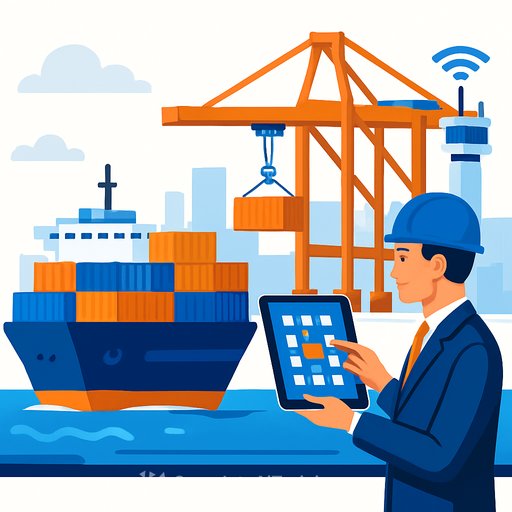
Tanco Holdings' 79% subsidiary, Midports Holdings Sdn Bhd (MHSB), has appointed Hong Kong-based Ocean Bridge International Ports Management Co Ltd (OBIPM) to operate its smart AI container port project in Port Dickson.
OBIPM will run and manage the terminal and related assets owned by MHSB, applying advanced AI and automation across day-to-day operations.
How the operating model is structured
OBIPM will support MHSB in terminal design optimisation, feasibility studies, equipment selection and configuration, production technology, regulatory frameworks, maintenance standards, training, and commissioning.
Its management team will be based on-site and operate the terminal through MHSB as the platform. OBIPM takes responsibility for operations, management, and oversight of assets, activities, and personnel within the agreed scope. MHSB retains ownership of terminal assets and the profit-and-loss from operations.
Tanco framed the move as a strategic partnership with an experienced port operator to support economic growth in Negeri Sembilan and broaden group revenue sources. The agreement does not affect share capital, major shareholdings, net assets, gearing, or earnings for the financial year ending June 30, 2026.
Why this matters for operations leaders
Operations leaders can reference sector-specific guidance on AI-driven operations and automation at AI for Operations.
- Governance clarity: With a single operator and an asset-owning principal, lock down RACI, decision rights, and escalation paths. Align compliance and audit cadence early.
- AI scope and safety: Expect AI-driven planning, yard/berth scheduling, and automated equipment. Nail data governance, cybersecurity, and safe human-machine workflows before go-live.
- Transition and commissioning: Map SOPs, change management, and workforce training against commissioning gates. Tie training to operational readiness, not just classroom hours.
- Performance model: Define SLAs and incentives around berth productivity, crane moves/hour, truck turn time, container dwell time, and energy use. Track OEE for critical assets.
- Equipment strategy: Confirm compatibility, lifecycle costs, spares strategy, and uptime guarantees for cranes, AGVs/terminal tractors, and TOS integrations. Plan for electrification and charging layouts if relevant.
- Systems integration: Secure integrations with TOS, port community systems, customs, carriers (EDI/API), rail/road partners, and billing. Stress-test during pilot windows.
- Resilience and continuity: Build redundancy for power, networks, control systems, and critical data. Maintain safe manual fallback modes and drills.
- Regulatory alignment: Keep operating practices current with Malaysian port regulations and international standards. Publish safety and environmental KPIs for stakeholders.
What to watch next
- Final terminal design choices, equipment suppliers, and automation scope.
- Commissioning timeline, pilot operations, and progressive SLA targets.
- Workforce plan: role definitions, certifications, and AI operations training.
- Data and security posture, especially for cross-border integrations.
Source context: The appointment followed a filing with Bursa Malaysia.
If you're planning an AI upskilling track for your ops team, see this practical certification path: AI Automation Certification. For role-focused learning, consider the AI Learning Path for Operations Managers.
Your membership also unlocks: