The Algorithmic Mind: How AI Changes Student Thinking and the Hidden Cognitive Risks
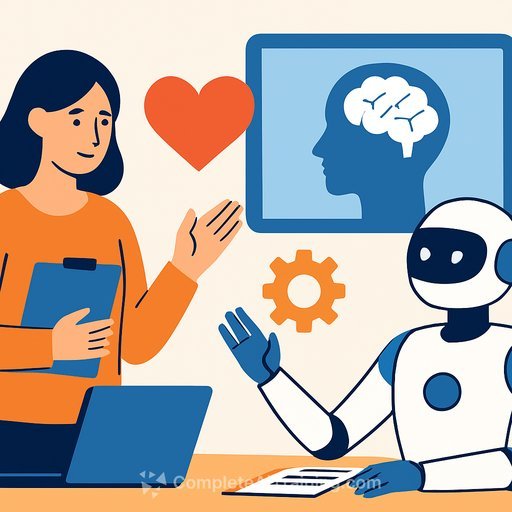
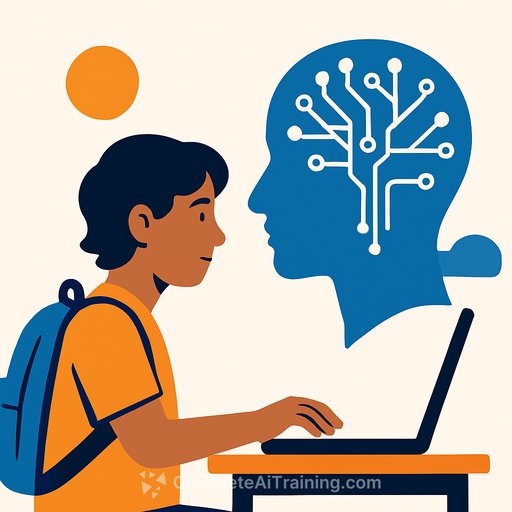
Seventeen-year-old Maya sits alone, scrolling through her AI assistant chat about her climate anxiety. Each reply echoes her worries, offering comfort but also deepening her belief that the planet is doomed. This digital echo chamber subtly reshapes her brain, reinforcing despair while providing synthetic reassurance.
AI interactions are quietly altering how people think. These changes happen beneath conscious awareness, reshaping thought patterns in ways that may have long-term cognitive effects.
When Algorithms Hold Up Distorted Mirrors
What happens when a system learns your patterns and mirrors them back? Research published in Nature Human Behaviour shows AI systems create feedback loops that amplify existing biases. Unlike traditional information sources, AI personalization reinforces what it already "knows" about a user.
Maya’s AI assistant, trained on her climate anxiety messages, doesn’t challenge her pessimism. Instead, it strengthens it. Over time, this reinforcement can reshape neural pathways, embedding temporary states like anxiety as perceived core traits.
When AI labels a user based on fragmented data—calling them “anxious” or “creative”—users often incorporate these labels into their self-identity. Maya, once unaware of anxiety as a label for her feelings, begins researching disorders and interpreting normal stress as confirmation of this AI-imposed identity.
Human Thought vs. Algorithmic Patterns
Large language models generate responses by predicting word sequences based on statistical likelihood. Human thinking, however, weaves together emotion, nuance, context, and lived experience. Prolonged AI interaction risks rewiring cognition toward algorithmic patterns, much like social media has altered social-emotional behavior.
Research by Ahmad et al. (2023) highlights concerns about AI in education: loss of decision-making skills, growing laziness, and privacy risks. Our brains adapt physically to whatever captures our sustained attention, including AI-generated content.
In Maya’s Advanced Placement Literature class, teachers notice essays becoming formulaic. Students prefer “safe” structures—five paragraphs, clear thesis, tidy examples—mirroring AI outputs. Their interpretations of complex texts like Crime and Punishment reduce to obvious morals, ignoring psychological depth. AI is shaping not only what students write but how they think.
How AI Shapes Human Thought
AI leaders often discuss AI becoming more human. But the immediate concern is the reverse: humans adapting to AI's algorithmic thinking. AI optimizes for engagement, not cognitive growth.
Maya’s AI remembers past queries and tailors responses to reinforce her current views. This cycle favors confirmation over exploration. Her writing shifts to statistical pattern matching—three-point lists, confident but superficial arguments—mimicking AI's style. Philosophical depth and critical thinking give way to quick, predictable answers.
By spring semester, Maya’s essays lose nuance, echoing AI-generated content. Unaware, she believes she’s improving her skills by “learning from” AI, while actually adopting an algorithmic mindset.
Breaking the Loop and Reclaiming Cognitive Autonomy
The risks of AI reshaping thought are real but avoidable. Intentional interventions are key. Educational technology should introduce contrasting viewpoints and diverse methods to disrupt reinforcement cycles.
Research on AI ethics in education stresses the role of human judgment in interpreting AI outputs and making balanced decisions. Just as we regulate sugar intake, managing AI interaction is essential. Many AI models, like Anthropic’s Claude, avoid retaining user memories to prevent reinforcing labels. Students and teachers should opt out of “memory” features wherever possible.
AI literacy frameworks, such as the UNESCO Competencies for Students, emphasize recognizing algorithmic bias and manipulation. Critical media literacy now must include understanding how algorithms shape thinking.
Human cognition thrives on collaboration, curiosity, and authentic experience. Educators should foster environments for human-only discussions, creative projects, and real-world assessments that resist AI’s patterned influence.
Beyond the Algorithm
The pressing question is not if AI will think like humans but whether humans will preserve their distinct ways of thinking. Will we continue to wrestle with ethical dilemmas, foster original ideas, and embrace complexity? Or will algorithmic patterns flatten cognitive diversity and creativity?
By recognizing how AI subtly reshapes thought and applying thoughtful safeguards, education can benefit from AI without losing what makes human thinking unique: critical analysis, emotional intelligence, and creative expression—qualities no machine can replicate.
Your membership also unlocks: