The New Baseline: AI Personalization as Default
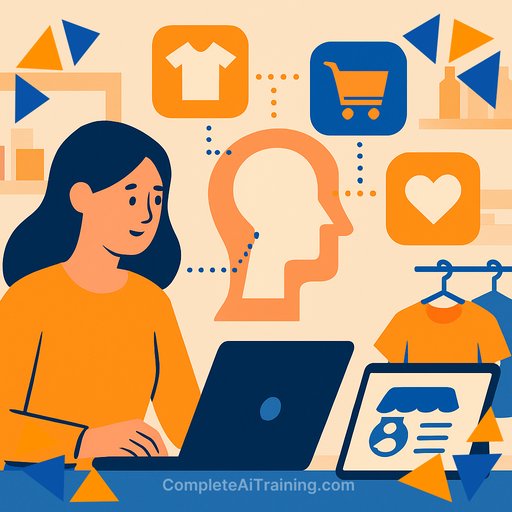
The retail industry has transformed significantly, driven by changing consumer expectations and fast technological progress. AI-powered personalization is no longer optional for leading retailers in 2024; it has become a fundamental requirement. For executives at large retailers, mastering AI personalization strategies is key to staying competitive.
Modern consumers expect quick responses, smooth omnichannel experiences, and offers that fit their exact preferences. A McKinsey & Company report finds that 71% of consumers expect personalized interactions, and 76% feel frustrated when these are missing. Retailers that meet these demands can see up to 40% more revenue compared to those who lag behind.
AI personalization uses vast data sources—such as transaction records, browsing habits, social signals, and inventory details—processing them at unprecedented scale and speed. Industry giants like Amazon, Walmart, and Target have long used proprietary AI algorithms for recommendations, pricing, and supply chain optimization. Now, these AI personalization methods are becoming common across all retail segments.
How AI Personalization Transforms Retail
- Hyper-Personalized Recommendations: Machine learning analyzes browsing, purchase history, and demographics to suggest products in real time. Sephora, for example, customizes beauty product suggestions based on skin type, past purchases, and even weather conditions.
- Dynamic Content and Offer Optimization: AI tests and adjusts content, offers, and pricing instantly. Brands like Nike and Best Buy tailor homepage banners, emails, and notifications to show customers products and deals they’re most likely to engage with, boosting loyalty and average order value.
- Enhanced Search and Discovery: Natural language processing and visual search make finding products easier. Lowe’s lets customers snap pictures of light fixtures to find similar items online or in-store.
- Personalization Beyond the Web: AI personalization is growing in physical stores. Target uses machine vision and IoT to adjust in-store displays based on local demand. Kroger’s AI-driven loyalty apps recommend recipes and shopping lists tailored to individual profiles and local stock.
- Supply Chain and Inventory Optimization: AI forecasts demand by location, improves distribution center efficiency, and smartly allocates inventory. Walmart’s predictive analytics help keep popular local items in stock, reducing lost sales and improving satisfaction.
Choosing How to Implement AI Personalization
Retail executives must decide how to build AI personalization capabilities. The main options include:
- In-House Development: Large retailers with strong tech teams, like Amazon, create custom AI systems.
- Commercial Platforms: SaaS tools such as Salesforce Einstein, Adobe Sensei, and Google Cloud Retail AI offer advanced personalization without heavy internal AI resources.
- Strategic Partnerships: Collaborating with AI and analytics experts helps speed up deployment and access top-tier models.
Gartner warns that by 2025, 80% of marketers investing in personalization may give up due to poor ROI, data challenges, or integration issues. Success requires aligning data strategy, organizational change, and customer-focused design—not just technology.
Data Privacy and Ethical Responsibilities
Greater personalization brings increased responsibility. Consumers are more cautious about their data, and regulations like GDPR and CCPA make compliance mandatory. A 2023 Forrester survey reveals 62% of US online adults worry about how their data is used.
Executives must ensure AI systems are transparent, explainable, and minimize bias. Applying privacy by design and strong consent management reduces risks and builds customer trust, a vital factor for personalization success.
The Business Impact of AI Personalization
- Higher Conversion Rates: Salesforce’s Shopping Index reports AI recommendations can increase conversions by up to 35%.
- Increased Average Order Value: Personalized bundles and pricing strategies encourage larger purchases.
- Reduced Churn and Greater Loyalty: Relevant, consistent interactions lead to better customer satisfaction and repeat business. McKinsey shows that top personalization performers enjoy 5 to 8 times higher marketing ROI and sales growth over 10%.
Leading the Next Phase of Personalization
For executives, success requires more than technology acquisition. It demands a shift in culture, a focus on customers, and ongoing innovation. Key actions include:
- Treat Data as a Strategic Asset: Establish enterprise-wide practices for first-party data collection and integration.
- Build AI Literacy: Train teams to understand AI tools and foster collaboration between marketing, data science, and IT.
- Invest in Change Management: Address resistance, secure leadership buy-in, and communicate personalization benefits across the organization.
- Prioritize Trust and Ethics: Ensure privacy-first initiatives that are explainable and reduce bias.
- Continuously Measure and Optimize: Use analytics to monitor results, iterate fast, and adapt to changing consumer needs.
AI Personalization Is Now Foundational
AI personalization is a core requirement for enterprise retailers. Those who delay investment risk falling behind competitors. By combining technology with strategic alignment and customer focus, retailers can turn AI personalization from a differentiator into a steady driver of growth and loyalty.
Microsoft CEO Satya Nadella said, “Every company is a software company. You have to start thinking and operating like a digital company.” For retail leaders, embracing this mindset with AI personalization at the forefront is essential for the future.
Your membership also unlocks: