
AI news ·
TraceGains launches Formula AI platform to speed up food R&D and cut formulation costs
TraceGains released Formula AI, a workspace for food scientists that cuts development time and costs despite 83% of food brands increasing NPD investment and only 2% having digitized R&D.
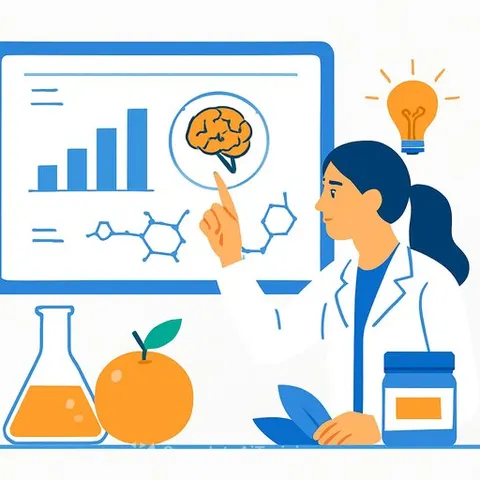
TraceGains Launches Formula AI to Speed Food Product Development
TraceGains has released Formula AI, an AI-powered workspace designed for food scientists and product developers. The platform integrates artificial intelligence directly into the formulation process to reduce iteration cycles, cut development costs, and compress time-to-market.
The tool addresses a specific industry problem: 83% of food and beverage brands are increasing NPD investment, yet only 2% operate fully digitized R&D workflows. Most food scientists still balance cost, nutrition, regulatory compliance, ingredient functionality, and sourcing constraints manually across multiple systems.
What Formula AI Does
The platform functions as a shared digital lab notebook and conversational workspace. Food scientists can generate candidate formulas, explore ingredient substitutions, compare variants, and document findings without switching between spreadsheets, supplier databases, and compliance tools.
John Thorpe, senior director of Product Management at TraceGains, said the system was built specifically for food scientists, not generic AI users. "Formula AI drafts formulation ideas, suggests ingredient substitutions, and pulls together answers grounded in real supplier and ingredient data, turning what was hours of cross-system research into minutes," he said.
Each suggestion is anchored in TraceGains' supplier network, ingredient reference databases, enterprise data, and validated food-science literature. When a scientist asks whether they can replace an ingredient while maintaining nutrition targets and EU compliance, the system answers in one conversation rather than three separate database searches.
Collaboration and Institutional Memory
Multiple scientists can iterate on the same formula without overwriting each other's work. Version history, lab notes, and the reasoning behind each decision remain attached to the formula itself, not scattered across email threads or sticky notes.
This structure helps larger R&D organizations where regulatory, commercialization, and product teams touch the same project. New team members inherit experienced colleagues' approaches as reusable playbooks instead of relearning them through trial and error.
Risk Discovery Earlier
Formula AI surfaces potential problems before scientists invest bench time and commercialization effort. The system flags sourcing concerns, claims issues, functional tradeoffs, and likely compliance questions during the ideation phase.
Thorpe emphasized this is not a replacement for regulatory review, sensory work, or production trials. "The value is in making each cycle smarter and more informed," he said. The platform uses a strict human-in-the-loop design - food scientists move faster, but the system prevents reckless decisions.
Impact on Timeline and Budget
The primary cost savings come from eliminating wasted cycles. Fewer dead-end formulation paths, faster comparison of alternatives, and reduced context loss between projects all lower R&D spending.
Time gains appear in three areas: scientists explore more ideas in the same hours; bench time shrinks because the agent rules out non-viable formulations before lab work begins; and institutional knowledge compounds across projects instead of being relearned.
Consumer Acceptance
Data from Innova Market Insights shows 41% of consumers globally are open to products developed using AI. This signals that tools like Formula AI align with shifting consumer expectations around innovation methods.
The Broader Shift Ahead
Over the next 5-10 years, Thorpe expects food R&D to shift from mostly manual, sequential processes to more continuous, constraint-aware, and data-connected workflows. Teams currently discover key constraints late - sourcing issues, claims problems, nutrition misses, cost overruns, or sensory tradeoffs.
AI will bring those constraints forward. The future is not AI replacing food scientists. It is scientists working with AI systems that generate options, compare tradeoffs, capture evidence, and connect exploratory work to governed enterprise systems.
Three changes will look fundamentally different: work shifts from search-and-document to converse-and-reason; AI becomes the institution's memory; and formulation becomes multi-objective by default.
For product development teams looking to understand how AI fits into R&D workflows, resources on AI for Product Development and Generative AI and LLM provide foundational context on the technology and applications shaping this shift.