
AI news ·
Trump administration calls for expanded AI education as Purdue implements graduation requirements
Purdue is the first university requiring AI literacy for graduation across all undergraduates. The mandate aligns with federal calls to prepare students for an AI-driven workforce.
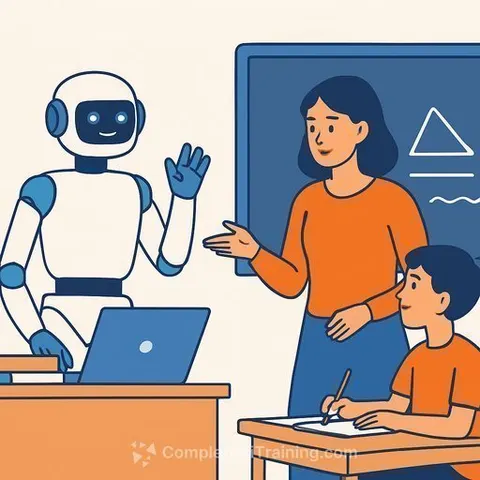
The Trump administration has called for expanding AI education to build a future-ready workforce, and Purdue University is the first in the nation to require AI literacy for graduation. The move aims to equip students like Reagan Koester with skills needed for industries being reshaped by artificial intelligence.
Administration push for AI literacy
The administration's advocacy comes as employers across sectors report difficulty finding workers with AI competencies. Officials argue that integrating AI education into K-12 and higher education is essential for economic competitiveness. No specific federal mandates have been announced, but the rhetoric signals potential policy shifts ahead.
Purdue's graduation requirement
Purdue University now mandates that all undergraduates demonstrate AI literacy before earning a degree. The requirement, which took effect this academic year, applies across all majors-not just STEM fields. Students like Reagan Koester, who spoke about the change, are among the first to complete coursework designed to teach practical AI applications and ethical considerations.
Preparing students for evolving industries
The university's goal is to ensure graduates can work alongside AI tools, understand data-driven decision-making, and adapt as technology advances. Faculty redesigned general education courses to embed AI modules rather than adding extra credit hours, making the requirement a natural part of existing curricula.
Why this matters for education professionals
Purdue's policy signals a trend that K-12 schools and other colleges may soon follow. Educators who understand AI fundamentals will be better positioned to guide students and shape curriculum. Structured programs like the AI for Teachers Learning Path can help instructors build the skills needed to teach AI concepts effectively. As more institutions adopt similar requirements, professional development in AI literacy will become a career necessity, not an option.