
AI news ·
Trump pulls back AI executive order over concerns it could slow US competition with China
Trump pulled back from signing an AI executive order Thursday, saying it could hurt the U.S. edge over China. The order would have required developers to coordinate with federal officials before releasing advanced AI models.
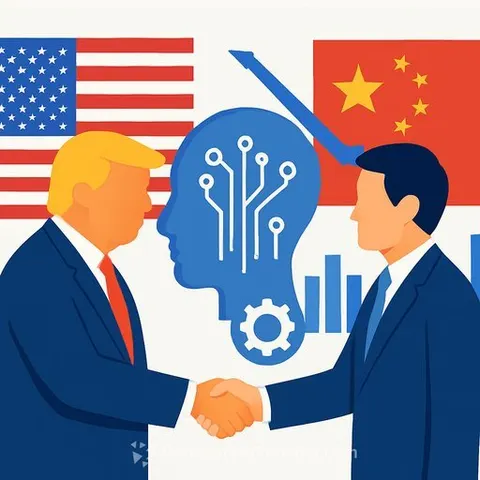
Trump Delays AI Order Over China Competition Concerns
President Trump decided Thursday not to sign a planned executive order on artificial intelligence, citing concerns that provisions could weaken America's competitive position against China. The White House had prepared for Trump to sign the measure during an afternoon event with major AI company executives.
"I think it gets in the way of, you know, we're leading China, we're leading everybody, and I don't want to do anything that's going to get in the way of that lead," Trump told reporters in the Oval Office.
What the Order Would Have Done
The proposal would have established a voluntary system requiring developers of advanced AI models to coordinate with federal officials before releasing certain technologies. Trump did not specify which provisions troubled him.
The administration was also considering separate measures to expand the federal government's use of advanced AI for cybersecurity, including plans to strengthen digital defenses across government agencies, hospitals, and financial institutions.
Tech Leaders Weighed In
Elon Musk, Meta CEO Mark Zuckerberg, and investor David Sacks had expressed concerns about the order, according to reporting from Semafor and The Washington Post. Musk disputed claims he pressured the administration, writing on X that he "still don't know what was in that EO" and that Trump only spoke with him after declining to sign.
Meta and Sacks' investment firm Craft Ventures did not immediately comment.
The Regulatory Tension
The delay reflects a broader divide in the technology sector over how aggressively government should regulate AI while the U.S. competes with China. Critics of stricter oversight argue that reviews or compliance requirements could delay product launches and reduce revenues.
Concerns about AI risks persist regardless. Anthropic has warned that its AI system could make complex cyberattacks more effective, though some cybersecurity specialists question whether that threat is overstated.
Trump has taken a more accommodating approach toward major technology companies than his predecessor, particularly as AI becomes more influential in financial markets and the broader economy. Some of his supporters continue calling for stronger safeguards around advanced AI development.