Uber and Rivian Deploy 50,000 Robotaxis by 2031, But Customer Trust Questions Loom
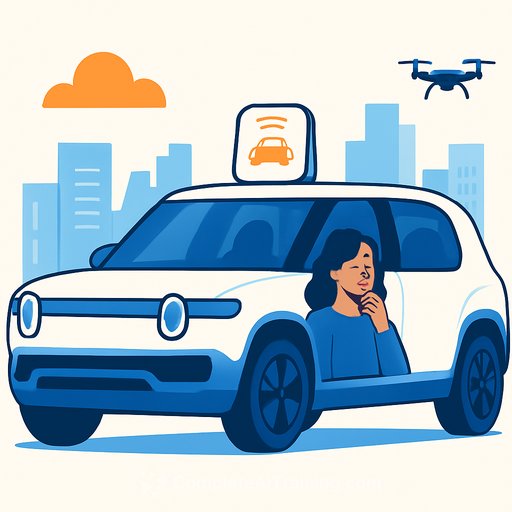
Uber and Rivian announced a partnership to deploy up to 50,000 fully autonomous robotaxis by 2031, with Uber investing up to $1.25 billion into Rivian R2 vehicles. The companies plan to begin deployment in Miami and San Francisco in 2028, eventually reaching 25 cities across the US, Canada, and Europe.
The shift to driverless rides addresses structural problems in ride-hailing: human drivers create inconsistent availability, variable service quality, and pricing unpredictability. Autonomous vehicles promise consistent behavior, steady capacity during peak hours, and lower costs.
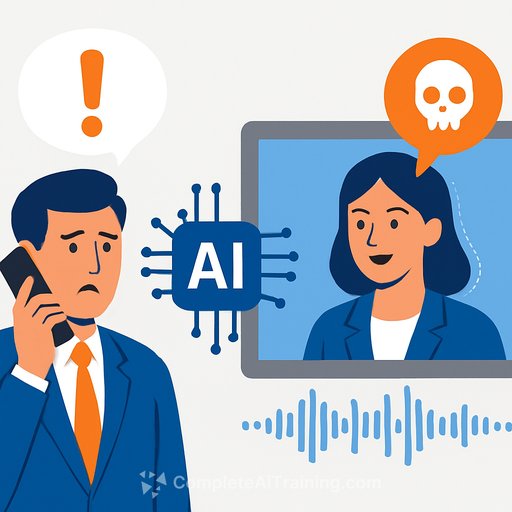
But the model introduces a critical customer experience problem. Uber's system will automatically assign customers either a human driver or an autonomous vehicle based on location and availability-without letting riders choose. This lack of control may erode trust before the first ride begins.
Where the Model Breaks Down
Customers cannot assess competence in real time without a visible operator. A silent cabin during an unexpected road disruption or an unanticipated passenger need may feel unsafe, even if the technology performs well statistically.
Accountability becomes murky. When something goes wrong, who is responsible? Customers lack clarity, and that uncertainty compounds distrust. For people who need driver assistance-elderly passengers, those with mobility issues, or anyone unfamiliar with a route-the inability to choose a human driver may trigger immediate brand switching.
Night travel and unfamiliar areas present another friction point. A human driver serves as visible reassurance. Remove that presence, and perceived danger rises regardless of actual safety improvements.
What Customers Will Experience
The in-app booking and payment experience remains unchanged. Customers request a ride as usual. The system decides whether they get a human or a robot.
Remote support is available during autonomous rides, but that's reactive, not preventive. It addresses problems after they occur, not the anxiety that precedes them.
Rivian CEO RJ Scaringe said the partnership will "accelerate our path to level 4 autonomy to create one of the safest and most convenient autonomous platforms in the world." Uber CEO Dara Khosrowshahi cited Rivian's vertical integration and manufacturing control as reasons for confidence in the targets.
Neither addressed the customer control question.
The Real Risk
This is not a technology problem. It's a customer support problem. Automation without choice, transparency, or clear accountability creates friction regardless of how well the underlying system performs.
The companies have until 2028 to solve it. They should start now.
Your membership also unlocks: