
AI news ·
UC Davis AI model improves meal nutrition by 10% and cuts costs by up to 34% with three ingredient swaps
UC Davis researchers built an AI that suggests 1-3 ingredient swaps to improve meal nutrition by up to 10% and cut costs by up to 34%. All testing was computational; real-world trials have not been conducted.
AI Model Suggests Simple Swaps to Cut Meal Costs and Boost Nutrition
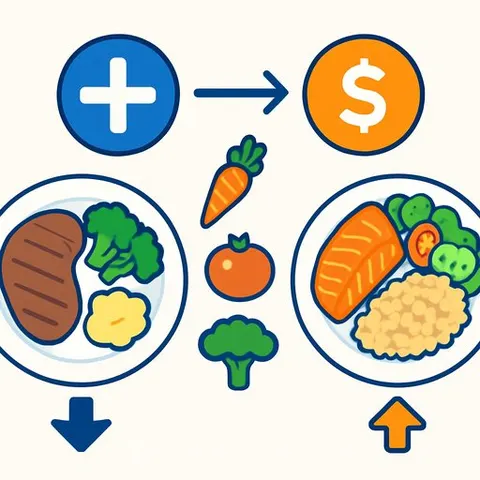
Researchers at UC Davis built an artificial intelligence system that recommends one to three ingredient substitutions to make familiar meals healthier and cheaper. In computational testing, the changes improved nutritional quality by about 10% while cutting meal costs by 22% to 34%.
The system works within how people actually eat, rather than designing ideal meals from scratch. That distinction matters because broad nutrition advice often fails when people try to act on it in their own kitchens.
Training on Real Eating Patterns
Trevor Chan and Ilias Tagkopoulos drew data from the USDA's What We Eat in America survey, analyzing 135,491 meals logged by 55,228 adults between 2013 and 2020. They grouped meals into 34 recognizable patterns: cereal breakfasts, sandwich lunches, pizza dinners, soups, and yogurt-based plates.
The model generated new meals within each pattern using a conditional variational autoencoder, a machine learning technique that produces plausible combinations rather than fixed outputs. It then adjusted portion sizes toward USDA nutrient targets while preserving the core structure of each meal.
Compared with real meals from the same patterns, the AI-generated meals were 47% closer to nutritional targets overall. Lunch showed the largest improvement at 52.1%, followed by dinner at 46.0% and breakfast at 43.2%.
Where Small Changes Had the Most Effect
The substitution step is where the research becomes practical. The system identified the fewest ingredient changes needed to improve meals further, comparing options within similar real-world alternatives and the same food categories.
Across nearly 20,000 generated meals, the results were consistent:
- One-item swaps: 5.2% nutrition improvement, 22% cost savings
- Two-item swaps: 8.1% nutrition improvement, 30.2% cost savings
- Three-item swaps: 10.2% nutrition improvement, 33.8% cost savings
The system typically added vegetables or legumes and removed or replaced higher-sodium processed items. It did not demand a total redesign of the plate.
"Dietary guidelines often tell people what a healthy diet should look like, but they do not always show how to get there from the meals people already eat," the researchers said in a statement. "Our study shows that it is possible to translate dietary standards into practical meal-level changes by identifying a small number of ingredient substitutions that can make meals healthier and cost-effective, while keeping them recognizable."
Outperforming General-Purpose AI
The UC Davis framework performed better than GPT-4o on nutrition standards. Only 11.9% of meals generated by GPT-4o met macronutrient guidelines, compared with 18.9% for the specialized system. GPT-4o also tended to generate meals higher in fat and lower in carbohydrates.
The comparison suggests that domain-specific tools may work better for nutrition than general-purpose chatbots.
What the Study Does Not Show
The entire evaluation was computational. The researchers did not test whether real people would want these swaps, understand them, or follow them. They did not measure clinical outcomes or track whether the advice changed actual eating behavior.
The underlying diet data came from self-reported food intake, which can include underreporting and misreported portion sizes. The cost model was based on restaurant pricing at a single point in time, not real grocery bills across different regions.
Real-world testing still has to happen, especially around usability, allergies, cultural fit, and whether people actually follow the advice.
Implications for Nutrition Guidance
The work points toward a different approach to nutrition advice: start with the meals people already eat and suggest only a few targeted changes. That could make guidance more usable for consumer apps, public health programs, and clinician-guided tools.
The appeal is straightforward - swap one or two items, spend less money, keep the meal familiar. The goal is not a perfect plate, but a slightly better version of the one already in front of you.
The findings appear in PLOS Digital Health.