
AI news ·
University of Arizona researchers design AI-powered medical kiosks to expand healthcare access in rural communities
University of Arizona researchers are deploying AI-powered medical kiosks in rural pharmacies and community centers to handle urgent care needs like UTIs and high blood pressure. The CoDiRA project launches in 2025 with a two-year pilot.
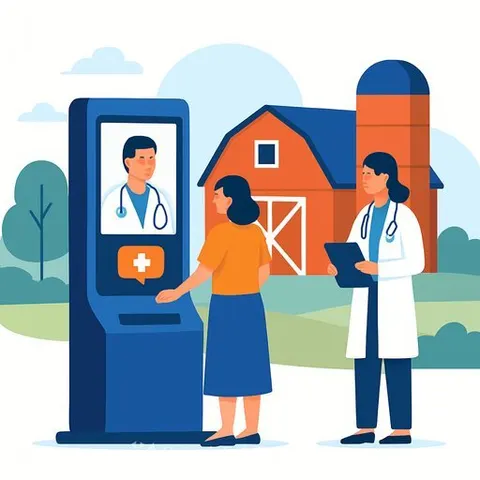
University of Arizona launches AI-powered medical kiosks to close rural healthcare gap
Residents in rural Arizona face a healthcare access problem that geography creates and technology might solve. Eighty percent of U.S. rural areas experience healthcare shortages. In Arizona alone, 21% of the population lacks internet access, according to the Arizona Commerce Authority.
A team of 14 University of Arizona researchers is building Convergent Digital Health for Remote Access, or CoDiRA, to address this disparity. The project received seed funding through the Office of Research and Partnerships' inaugural Big Idea Challenge and launches with a two-year initial period beginning in 2025.
CoDiRA deploys AI-powered medical kiosks in accessible locations like pharmacies and community centers. The system uses cameras, audio, and sensing technologies to assess common urgent complaints-urinary tract infections, elevated blood pressure-that might otherwise send patients to emergency rooms for long waits and travel.
How the system works
The kiosks operate within existing medical and regulatory frameworks. They're designed to analyze subtle clinical signs that video platforms alone might miss, then provide personalized assessments and advice. Trained health workers help patients navigate the system, and the technology escalates cases to human clinicians when clinical judgment is needed.
Dr. Srikar Adhikari, a professor of emergency medicine and the project's principal investigator, said the gap in health outcomes tied to geography is wide. "People have died in front of me in situations where we could have saved their lives if they had presented earlier," he said.
Building trust through community partnerships
The team is training the AI using two data streams: feedback from focus groups and surveys of potential users, and the clinical intuition of experienced providers. Adhikari, who has 25 years of clinical experience, is working with data scientists to encode how veteran clinicians gather information and narrow diagnoses.
Leaders at Mariposa Community Health Center in Nogales, Arizona, have already endorsed the project. The researchers are also engaging tribes, clinics, and other trusted organizations to guide development and deployment.
The project includes dedicated experts in ethical AI, regulatory compliance, and cybersecurity. Adhikari said building trust separates CoDiRA from existing technologies. "We need to build trust and educate patients on why and how they can interact with these models," he said.
The team is now seeking partners and preliminary patient data to test the system before scaling it further.
Related: AI for Healthcare | Generative AI and LLM