
AI news ·
UPenn researchers call for nurses to lead AI development and standardize care data
Nursing schools must teach graduates to build and evaluate AI systems, not just use them, according to a University of Pennsylvania report. The researchers also call for new nursing roles focused on data standardization and AI ethics in patient care.
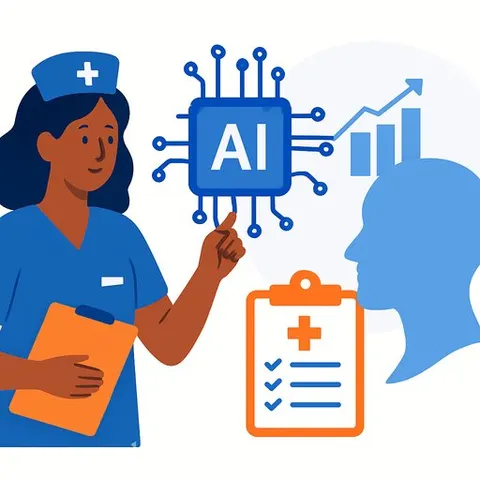
Nursing Education Must Prepare Graduates to Build and Evaluate AI Systems
Nurses need to understand how artificial intelligence systems work, not just how to use them. University of Pennsylvania researchers say the profession also needs new roles focused on standardizing nurse-generated data and designing systems that align with patient-care ethics.
The finding comes from a report published in the May-June edition of Nursing Outlook, which analyzed a two-day workshop convened in January 2025 by the Center for Health Outcomes and Policy Research. Forty-eight experts in nursing, medicine, AI, data science, ethics and healthcare discussed how AI is reshaping clinical practice.
The Real Problem: Technical Competence Isn't Enough
A well-designed AI system can still fail if it doesn't fit how nurses actually work or if it increases their burden instead of reducing it, said Antonia Villarruel, dean of the University of Pennsylvania School of Nursing.
Nurses need formal evaluation frameworks and scientific methods to measure accuracy, reliability, bias, staffing impacts and patient outcomes. Many AI implementations add costs and workflow demands without clear benefits.
Current AI literacy among nurse educators is limited, and there is no standardized AI education in nursing programs. This gap creates both a problem and an opportunity for new professional roles.
Five Guidelines for Integration
The researchers outlined specific steps for nursing education and healthcare organizations:
- Expand AI education in nursing to improve literacy
- Integrate nurses in AI development teams alongside engineers, data scientists, hospital leaders, ethicists and patients
- Ensure nurses rigorously test AI systems before widespread use
- Measure both financial and workflow costs
- Build ethical safeguards and transparency informed by nursing expertise
Why Nurses Must Be at the Table
Nursing science is positioned to guide AI integration because the profession focuses on patient-centered care and understands clinical workflow. Nurses bring theoretical perspectives and epistemological contributions that engineers and data scientists cannot provide alone.
Beyond automating administrative tasks, AI can improve clinical decision-making, enable personalized patient care and identify population health risks through large dataset analysis. But these benefits only materialize if nurses help design the systems.
"Nurse scientists contribute expertise in the clinical and relational aspects of care, while AI designers and engineers bring essential technical insight," the researchers said. "Such reciprocal partnerships will be essential to embed nursing science into AI development."
Adoption Improves When Nurses Lead
Healthcare organizations that involve nurses in pilot testing, feedback loops and workflow redesign report better adoption rates. When staff participate in designing improvements, they shift from viewing AI as something imposed on them to something they helped create.
Patients also need transparency. Healthcare organizations must educate patients on how AI influences clinical decisions and how their personal data may be used to train or operate these systems.
For educators in nursing programs, this research signals a need to rethink curricula. AI for Education and AI for Healthcare resources can help faculty build competency in teaching these topics to the next generation of nurses.