
AI news ·
US courts expand legal scrutiny of AI hiring tools beyond algorithmic bias
US courts are expanding AI hiring lawsuits to scrutinize tool design and monitoring. Employers face legal liability if they cannot document vendor testing and oversight.
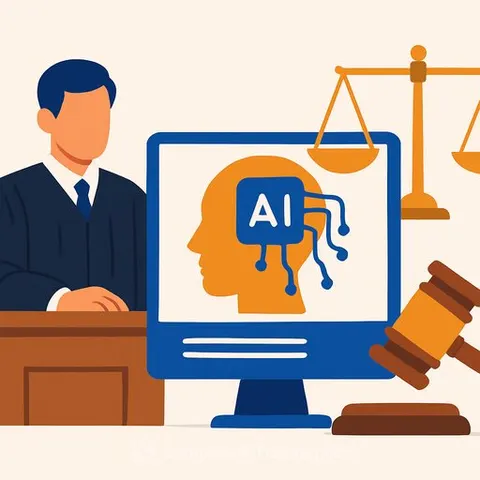
US courts are expanding the scope of litigation around AI-powered hiring tools, moving beyond claims of algorithmic bias to scrutinize how these systems are designed, tested, and monitored. The shift puts governance, transparency, and accountability at the center of legal risk for employers using automated employment decision tools.
Recent lawsuits are pushing judges to examine not only the outcomes AI tools produce but the entire lifecycle of the technology. That includes how vendors build and validate their models, how employers deploy them, and what ongoing oversight looks like. For HR departments, this means the legal standard is no longer just about whether a tool discriminates - it's about whether the organization can demonstrate responsible management of the system.
The shift from bias to process
Early legal challenges to AI hiring tools focused largely on disparate impact - whether certain groups were systematically disadvantaged by algorithmic decisions. While those claims continue, the new wave of litigation digs into the infrastructure behind the algorithms. Courts are asking questions about training data quality, documentation of design choices, and the existence of meaningful human review. In short, the process itself is on trial.
This evolution mirrors regulatory trends. The Equal Employment Opportunity Commission and state-level lawmakers have signaled that employers can't simply outsource compliance to a software vendor. Responsibility for transparent, accountable AI use stays with the employer.
What HR teams need to know
For human resources leaders, the message is clear: vendor assurances are not enough. Employers must be able to explain how a tool reaches its conclusions, document validation testing, and show that monitoring is ongoing. Without that, they face exposure not just under anti-discrimination law but under emerging frameworks that demand algorithmic accountability.
This is a practical challenge. Many organizations lack internal expertise to audit AI systems or even to ask the right questions during procurement. That gap is where legal risk festers. HR teams that build literacy around AI governance will be better positioned to select tools, negotiate contracts, and maintain compliance over time. Resources like the AI Learning Path for HR Managers help bridge that knowledge gap with training on recruitment automation, workforce analytics, and governance.
Why this matters for human resources
HR professionals are often the frontline buyers and operators of AI hiring tools. As legal scrutiny intensifies, the ability to demonstrate transparent, well-documented processes becomes a core job requirement - not a nice-to-have. Employers who treat AI governance as a compliance afterthought will find themselves defending decisions they can't fully explain. For ongoing coverage of how AI intersects with HR practice, see our AI for Human Resources resource page.