
AI news ·
Vietnamese hospitals accelerate AI adoption to improve diagnosis and patient care
Vietnamese hospitals are rapidly adopting AI to improve diagnostics and patient outcomes. At Bach Mai Hospital, AI already analyzes imaging and genetic data to personalize cancer treatment and detect strokes earlier.
Vietnamese Hospitals Accelerate AI Adoption to Improve Patient Care
Vietnamese hospitals are investing heavily in artificial intelligence and digital systems to improve diagnostic accuracy, streamline operations, and modernize healthcare delivery. The push reflects a broader shift across the industry toward technology-driven medicine.
At the 2026 Annual Conference of the Club of Hospital Directors of Northern Provinces in Lao Cai on May 23, hospital leaders outlined how AI for Healthcare is reshaping clinical practice. Assoc. Prof. Dr. Dao Xuan Co, director of Bach Mai Hospital and chairman of the northern provinces hospital directors club, said digital transformation has moved from optional to essential.
AI Is Supporting Diagnosis and Treatment
AI systems are helping doctors detect diseases earlier and choose more effective treatments. At Bach Mai Hospital's cancer center, AI analyzes diagnostic images, pathology data, and genetic information to personalize treatment plans and reduce side effects.
A 40-year-old patient from Thanh Hoa was diagnosed with colorectal cancer through a routine examination supported by AI analysis. The technology identified the disease at an early stage when treatment options are broader.
AI is also improving outcomes in stroke care, where the hospital uses the technology to help doctors apply modern treatment methods more effectively.
Data Systems Are the Foundation
Hospital leaders say the core of digital transformation is connecting data across institutions. Building a unified electronic health record system from local clinics to central hospitals allows doctors to access complete medical histories and make better treatment decisions.
Assoc. Prof. Dr. Dao Xuan Co emphasized that AI Data Analysis in healthcare requires more than equipment purchases. Hospital leaders must champion innovation, adopt new technologies, and change how institutions operate and make decisions.
Leadership and Values Matter
Technology alone won't drive successful transformation. Hospital directors must be willing to think differently and act on new approaches while managing the operational and cultural shifts that come with digital systems.
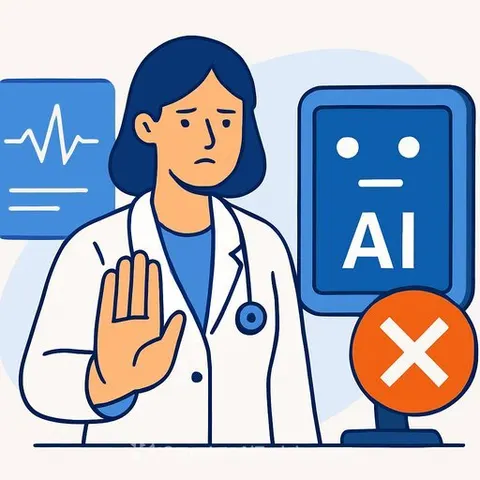
Assoc. Prof. Dr. Dao Xuan Co cautioned that modernization should not come at the expense of core medical values. Technology exists to support doctors and improve patient care, not to replace the human judgment and compassion that define medicine.