VTU's AI Push and Skills-First Overhaul: Vice-Chancellor S Vidyashankar Outlines What's Changing
Visvesvaraya Technological University is moving fast on two fronts: Artificial Intelligence and job-ready skills. Vice-Chancellor S Vidyashankar says AI is now a dedicated branch, and skill-building is becoming a core part of engineering education-not an optional add-on.
AI Across the Curriculum
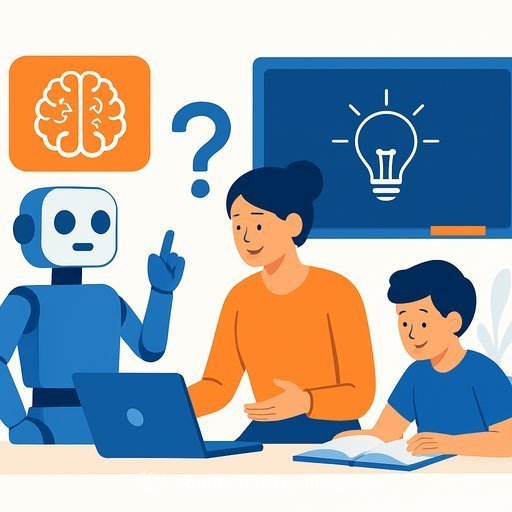
VTU has launched a full-fledged AI branch and introduced a foundational AI module for all engineering disciplines. The university has also set up a platform for students who want deeper AI exposure, with ongoing trainings and projects.
Computer Science students can take 18 credits in AI to earn a minor. A VTU expert team will visit a specialized AI university in Gurgaon to study its model and bring back what works.
Skills Are Now Mandatory
Industry feedback is clear: graduates need practical skills. VTU has made "skill" a mandatory subject and created an Idea Lab to push hands-on work and prototypes. The message to students is simple-engage with the tools, build portfolio-worthy projects, and treat skill courses as core to employability.
Closing the Communication Gap
About half of VTU's engineering intake comes from rural areas and government colleges. To support them, the university has partnered with Quick Learn to offer free online communication training. Thousands of students have already registered.
Placements: Scale Over Spotlight
To boost outcomes beyond top-tier city colleges, VTU has built a platform to assess students' skill profiles and is running pool campuses for mass recruitment. The university is also finalizing an MoU with Google to enroll, train, and place eligible students.
On Vacant Seats
The Vice-Chancellor disputes the view that seats are broadly going vacant. According to him, only additional seats in select streams are underfilled, and the inclusion of large private university intakes via the Karnataka Examination Authority makes the vacancy picture look worse than it is. He says the real admissions picture will be clear after approvals conclude.
Faculty Shortage: Mostly in CS/IT
There is a shortage, but it's concentrated in Computer Science and allied branches due to increased intake. As an interim step, the All India Council for Technical Education allows teachers from other branches to earn 18 credits via NPTEL and teach CS-related courses-pending approval from the National Board of Accreditation.
Helpful references: AICTE and NPTEL.
Quantum: Building Early Capacity
With the Karnataka Quantum Mission setting a 2035 horizon, VTU is establishing a quantum computing lab and has agreements with two major quantum computer manufacturers. The university is also launching an MTech in Quantum Technology to seed future-ready talent.
What Educators Can Do Now
- Embed AI literacy for all branches; keep a clear path to an AI minor or equivalent.
- Make skill courses measurable-tie them to prototypes, internships, and employer rubrics.
- Offer structured communication practice early, especially for first-gen and rural learners.
- Use pool campuses and centralized skill assessments to widen placement access.
- Retrain interested faculty via 18-credit modules (e.g., NPTEL) and align with accreditation.
- Start a small quantum track: guest lectures, lab access, and capstone topics to build momentum.
For Program Leads and Training Coordinators
If you're curating AI upskilling paths, you can benchmark curricula and certification options here: AI courses by skill. It's a fast way to map student goals to concrete learning tracks and projects.
VTU's direction is clear: AI for breadth, skills for depth, and industry links for outcomes. The work now is operational-faculty development, course hygiene, and consistent assessment-so students can graduate ready to contribute from day one.
Your membership also unlocks: