
AI news ·
Walnut Insurance CEO says back-office AI and API tools are driving embedded insurance growth
AI is quietly reshaping insurance back offices, cutting paperwork and speeding workflows before consumers ever notice. Walnut Insurance now launches embedded programs in 30 days by pairing mature fintech pipelines with API-driven distribution.
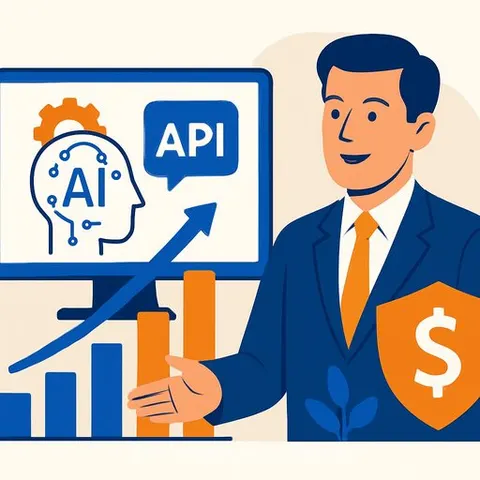
Embedded Insurance Enters Its AI Era
The next wave of insurance innovation won't come from flashy consumer-facing AI. It will come from invisible infrastructure that changes how insurers, brokers, fintechs, and digital platforms work behind the scenes.
Derek Szeto, co-founder and CEO of Walnut Insurance, is building that infrastructure. His company helps businesses embed insurance into their customer journeys under their own brands-launching programs in 30 days or less. The model has gained momentum as fintechs and digital platforms have matured their data, customer pipelines, and ability to show relevant offers at the right moment.
Where AI is Already Working
AI's biggest practical impact in insurance today isn't visible to consumers. It's in the back office, where insurers and their partners use AI to handle coding and workflows. The insurance industry still processes enormous amounts of paperwork, and AI is cutting through that friction.
"It's where you don't see it as a consumer," Szeto said. "You can just get a lot more done more efficiently with the maturity of the platforms."
Speed Through Maturity
Walnut can launch embedded insurance programs in 30 days because the ecosystem has matured. Scaled fintechs have spent 5+ years building their data management and customer pipelines. They now know how to put relevant offers in front of the right people at the right time.
Walnut itself has matured too. The company has ready-to-go programs for travel, tenant, and credit card insurance, plus strong relationships with insurers that can activate new programs quickly. AI coding agents help developers integrate these offerings through public APIs in hours instead of weeks.
API Distribution Changes Discovery
APIs and data are shifting how customers find and buy insurance. Traditional marketing-TV, billboards, generic digital messages-creates noise. APIs let companies show the right product to the right person at the right time.
"Nobody wakes up and is looking forward to buying insurance," Szeto said. "APIs and data give you an opportunity to put the right product in front of the right customer at a time that it's relevant."
At an airport, a customer could receive a travel insurance offer at the moment they need it. That only works with APIs.
Balancing Personalization and Trust
AI-driven underwriting can personalize coverage and speed decisions. But insurers must build guardrails to ensure fairness. "You certainly cannot let the AI run wild," Szeto said. "You will need evals, guardrails, test data to ensure it is fair. The insurer and underwriters ultimately still own the results."
On the consumer side, large language models like ChatGPT and Claude help customers understand their policies. Instead of trusting blindly, people can ask questions and verify coverage details-something that would have been too time-consuming before.
Claims Automation and Speed
AI will enable more parametric insurance-trigger-based, programmatic coverage that pays instantly when conditions are met. Weather-based crop insurance and flight delay insurance already work this way with public data.
As AI improves, it can make claim decisions on "fuzzy" data without human review. Insurers can manage risk by having AI handle approvals automatically, approving more claims instantly. Customers get faster payouts. Insurers cut processing costs. Both sides win.
Data Security is Table Stakes
AI for insurance means handling sensitive customer data. Security compliance-SOC2 Type 2 certification-is now a requirement for any insuretech that wants to use data effectively.
Regulators and customers alike should judge AI through one lens: Does it help customers get suitable access to products and get the value they paid for at claim time? That's what insurance fundamentally does-pool risk and help people in their time of need.
What's Coming
Embedded insurance adoption will accelerate as AI agents spread across operations, legal, finance, and customer support. Consumers will have AI assistants helping them navigate decisions. The pace of change will exceed expectations.
For insurance professionals, the shift is clear: the industry's next phase runs on infrastructure, not hype. The companies that build it well will win.