
AI news ·
Washington CIO shifts to in-person interviews and scenario questions as AI inflates job applications
AI-generated resumes are making government IT hiring harder, says Washington Technology Solutions CIO Bill Kehoe. His agency now requires in-person interviews and live presentations to screen out candidates who can't back up polished applications.
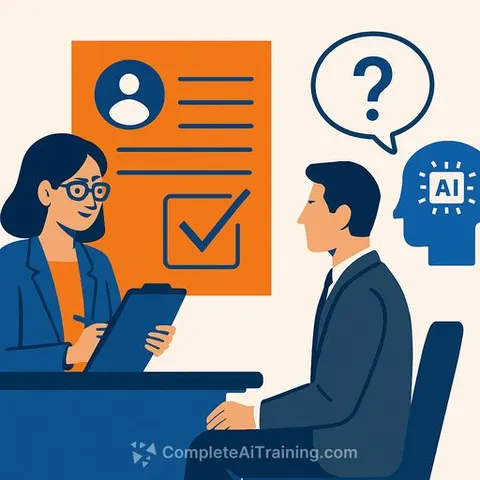
Government IT Hiring Gets Harder as AI-Generated Resumes Flood In
Washington Technology Solutions is drowning in applications. The agency's chief information officer, Bill Kehoe, attributes the surge to job seekers using ChatGPT and similar tools to craft polished resumes and cover letters tailored to each opening. The result: screening candidates has become more difficult, not easier.
The problem isn't that the applications are poorly written. It's the opposite. "Everything is so well-written and all the resumes just look spot on," Kehoe said in an interview at last month's NASCIO Midyear conference. That uniformity makes it harder to distinguish genuine qualifications from AI-generated text.
The Interview Process Is Changing
Kehoe's team has shifted its approach to separate candidates who actually know their material from those relying on AI to answer questions. They've made three key adjustments.
- More in-person interviews. Virtual-only processes don't give hiring managers enough information about whether a candidate has real skills or is using AI during the conversation.
- Scenario-based questions. Rather than asking straightforward technical questions that ChatGPT can answer, interviewers now ask candidates to describe specific situations they've handled and explain their decisions. These require drawing on actual experience.
- Live presentations. Candidates prepare and deliver a presentation in person during the interview. This format is harder to fake than written responses.
Kehoe said the screening process requires "a little more diligence," but the adjustments are working. "I think we're making some good adjustments to make sure we still get the best candidate," he said.
For government IT leaders facing similar hiring challenges, understanding how AI affects recruitment and candidate evaluation is becoming part of the job.