
AI news ·
Wealth managers turn to AI for marketing as adoption rates climb across the industry
Two-thirds of asset managers now use AI for front-office marketing tasks, up from 10% a year ago. Most firms pair AI with human oversight rather than replacing staff entirely.
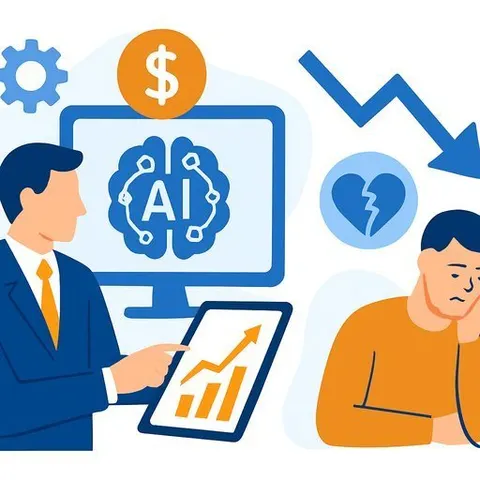
Wealth Managers Are Adopting AI for Marketing-But Mostly as a Tool, Not a Replacement
Two-thirds of asset managers now use AI for front-office tasks like marketing, up from just 10% a year earlier, according to a 2026 SimCorp/InvestOps report. The shift reflects both competitive pressure and client demands: 55% of asset managers cite a desire to differentiate themselves, while 49% point to improving client experience.
The adoption pattern reveals how wealth managers actually view AI. A 2025 Grant Thornton and ThoughtLab report found that 33% use AI exclusively for marketing, 37% rely entirely on humans, and 33% blend both approaches. That middle group-those combining AI with human input-signals where the industry is headed.
Where AI Adds Practical Value
Generative AI handles routine marketing tasks: drafting email newsletters, creating social media posts, and writing blog content. More advanced agentic AI goes further by analyzing prospect data to identify high-potential leads, automating campaign management, and adjusting messaging based on real-time behavior changes.
Lead generation and personalization are the clearest wins. AI can scan customer relationship management platforms to spot prospects matching your ideal client profile, then tailor content to their specific concerns and interests. AI-powered support services also handle routine prospect and client questions, freeing advisors to focus on relationship-building work.
The efficiency gains matter. Marketing demands time-from content creation to campaign tracking. AI automation reduces that burden, allowing teams to serve existing clients rather than getting stuck on repetitive tasks.
The Compliance Reality
The SEC's updated marketing rule requires registered investment advisors to avoid false or misleading statements and properly disclose third-party reviews or testimonials. AI tools still need human oversight to ensure accuracy and compliance.
Adding AI-specific guidelines to your firm's compliance policy helps minimize violation risk. The tools work best when treated as assistants, not replacements for human judgment.
Agentic AI Is Growing Faster Than Generative AI
Agentic AI-software agents that manage and optimize tasks-is projected to grow at 175% annually over five years, compared to 90% for generative AI. Forty percent of wealth management firms plan to implement agentic AI within six months, according to a 2025 EY report.
The distinction matters for marketing. Generative AI creates content quickly. Agentic AI analyzes which content types your prospects respond to, manages campaigns in real time, and recommends adjustments based on changing behavior. It's a step toward true automation rather than just content generation.
Authenticity Still Requires a Human Voice
Forty-one percent of adults consult financial advisors when seeking financial guidance, second only to friends and family at 43%, according to a 2025 Gallup poll. Clients want advice from real humans, not algorithms.
AI-generated content can sound hollow if it lacks personality. Storyselling-using emotional touchpoints and genuine narratives-bridges that gap. Pairing AI-generated drafts with human review for brand voice ensures marketing materials still sound like you and reflect the actual value you deliver.
The goal isn't to replace your voice with AI. It's to use AI to handle the grunt work so you have more time to tell your story authentically.
The Compliance and Accuracy Trade-off
AI adoption comes with real risks. These tools require human oversight to catch errors, ensure regulatory compliance, and maintain brand standards. Fifty-three percent of asset managers report successful AI implementation and plan to expand it, but that means 47% either struggled or haven't committed to broader use.
Your comfort level with the technology, the specific tasks you assign it, and your understanding of its limitations matter more than jumping in because competitors are. A poorly executed AI strategy can create compliance headaches and damage client trust faster than it saves time.
For marketing professionals, the practical path forward involves testing AI on lower-risk tasks first-drafting newsletter ideas, analyzing lead data, automating routine customer service responses. Once you understand how it works in your firm's specific context, you can expand to more complex applications.
AI won't replace wealth advisors. It likely won't replace marketing professionals either. What it will do is handle the repetitive parts of your job, if you set it up correctly and keep human judgment in the loop.