AI Thrives Where Education Has Been Devalued
A culture that treats knowledge as merely a means to an end opens the door to the misuse of new technologies like AI.
In 1940, a survey of working-class children’s reading habits revealed something striking. Many children, some leaving school as early as 14, read deeply and widely outside the classroom. They tackled classics like The Pilgrim’s Progress, Gulliver’s Travels, and Jane Eyre. Boys read four to six books a month, girls even more. Today, both children and adults tend to read less and enjoy it less. University students also struggle with reading whole books, with some reports showing a drastic drop in reading speed and volume.
Such a change signals a shift in how we value reading and knowledge. The enthusiasm for deep reading once common among working-class communities seems to have diminished. Miners and laborers, like Nottinghamshire’s GAW Tomlinson, found solace and enrichment in literature during long hours underground. Tomlinson read The Canterbury Tales, Darwin’s Origin of Species, and poetry with such intensity that work sometimes suffered.
These stories highlight a past where learning was a precious act of self-empowerment, not just a step toward employment. Working-class communities fought to create libraries, colleges, and opportunities for education, turning menial and dangerous jobs into experiences that connected them with broader human culture. That sense of learning as a valuable pursuit in itself has weakened over time.
AI and the Current Debate on Learning
Today, AI tools like ChatGPT are widely used by university students for research. But concerns have grown around cheating and the potential impact on creativity and critical thinking skills. AI’s ability to generate text raises questions about academic integrity and how assessments should adapt.
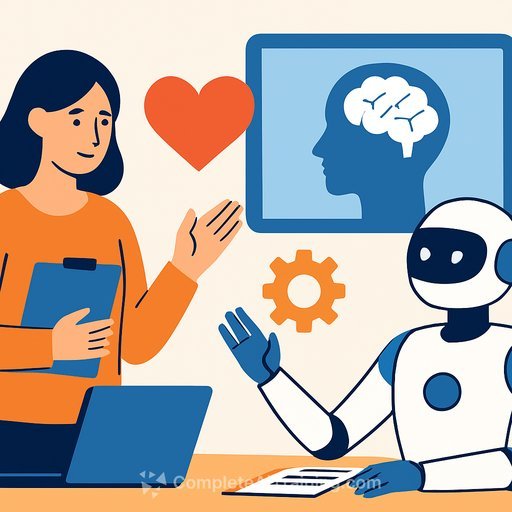
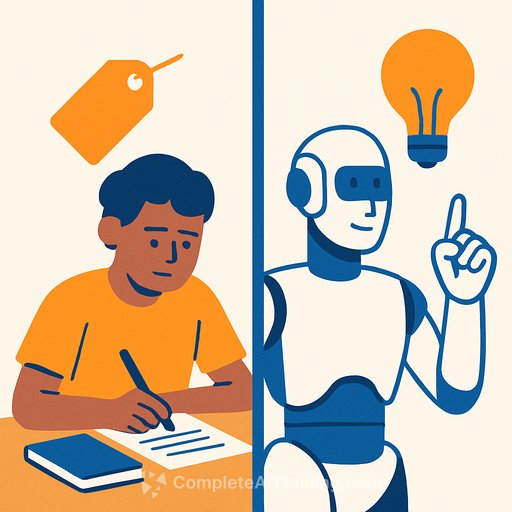
Yet, the real issue is less about AI itself and more about how society values knowledge. If education is seen primarily as a ticket to a job or a commodity to be bought, why should it matter if AI shortcuts the learning process?
In 1963, the Robbins report emphasized that universities exist to pursue truth and knowledge as goods in their own right. Contrast this with the 2010 Browne report, which framed higher education as a market commodity aimed at improving earnings and job mobility. This shift has pushed universities toward a business model, forcing cuts to subjects like history, music, and literature—fields that foster critical thinking and cultural awareness rather than immediate economic returns.
When knowledge becomes transactional, tools like AI are often seen as shortcuts rather than aids to deeper understanding. The challenge for educators is to restore a view of education as a meaningful process, not just a pathway to employment.
Why This Matters for Education Professionals
- Recognize that AI tools reflect existing attitudes toward learning. Addressing misuse means tackling how education is valued.
- Reconsider assessment methods to emphasize critical thinking and original work, reducing the incentive to misuse AI.
- Promote reading and engagement with knowledge as a rewarding pursuit, not just a requirement.
- Support a curriculum that includes humanities and literature to cultivate deeper cognitive skills alongside technological literacy.
Educators play a key role in shaping how students approach knowledge and learning. Encouraging curiosity, integrity, and a love of reading counters the trend of viewing education as a mere commodity. This helps ensure that AI becomes a tool to enhance thinking rather than a crutch to replace it.
For those interested in incorporating AI thoughtfully into education and training, resources such as Complete AI Training offer courses designed to build practical skills while supporting ethical use of AI technologies.
Your membership also unlocks: