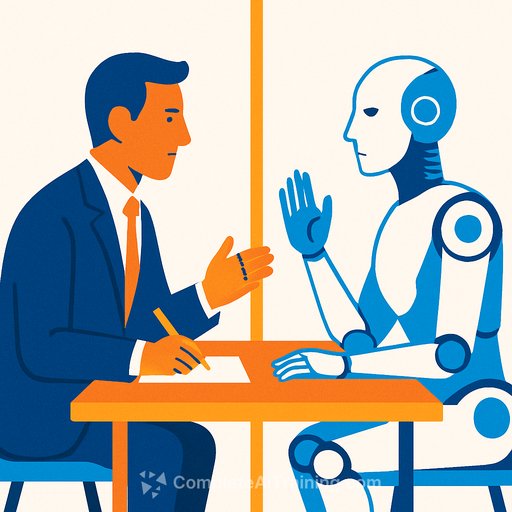
Where Should CEOs Limit AI?
As organizations integrate AI more deeply, leaders must decide where human expertise remains essential. The key is clear: training is crucial for building trust and effective use.
Distrust of AI is understandable. There are many exaggerated claims that AI will disrupt industries or replace human thinking entirely. Yet, organizations that adopt AI wisely recognize its limits and invest in ensuring their teams are comfortable and skilled with the technology.
Take the example of the Missouri State Teachers Association. Their executive director offered bonuses to staff who completed AI training, with most of the team participating. The goal was not just to upskill staff but to extend benefits to members by leveraging AI thoughtfully within the association.
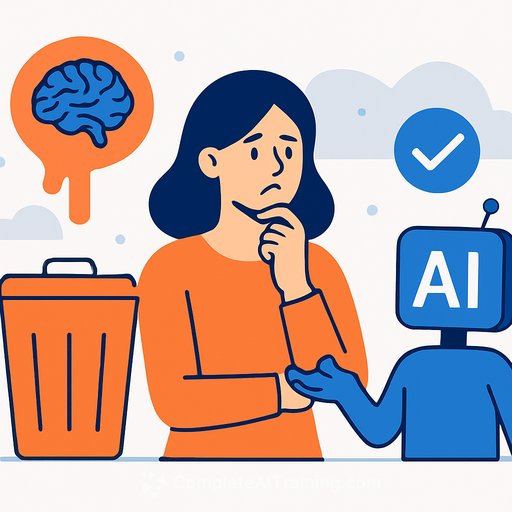
Human involvement is key. AI can assist, but it can’t replace the critical thinking and judgment of professionals. As one expert put it, AI helps by generating content outlines based on existing information, so subject matter experts aren’t starting from scratch. However, these experts still need to vet, question, rewrite, and organize that content.
Another perspective emphasized that you can’t eliminate subject matter experts from the process. They provide the necessary oversight—the “eyes to help the robots.”
Setting Boundaries for AI Use
- Determine how much AI will contribute to content creation. Decide who reviews AI outputs and what criteria they use.
- Identify where AI can assist with member questions or data analysis. Also, decide where human judgment must take over.
- Insert humans wherever asking “What’s missing?” is important. AI relies on available data but misses blind spots that people can spot and address.
Failing to involve humans risks repeating errors and blind spots inherent to AI’s data sources. Training is the bridge that builds trust by highlighting where human insight adds value.
Ultimately, AI should make jobs easier, not replace the unique strengths humans bring—especially critical thinking. Encouraging teams to engage with AI as a tool to augment their skills helps preserve and increase value.
For those interested in structured AI training designed to build confidence and skill, resources like Complete AI Training’s latest courses offer practical learning paths tailored for professionals.
Your membership also unlocks: