Innovation: Debunking The AI Customer Service Myth
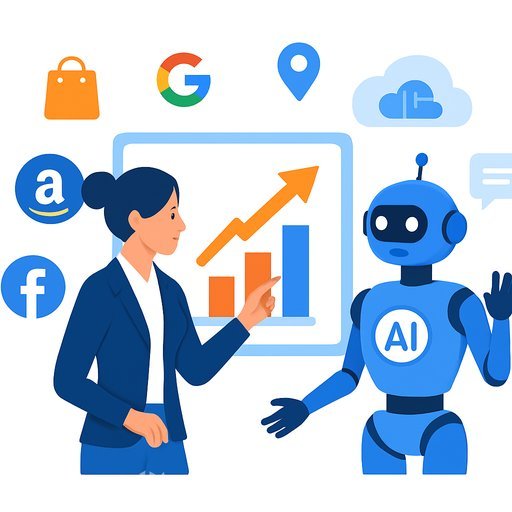
When thinking about AI in customer service, many assume it can completely replace human agents. The truth is, customers want more than just quick answers—they seek empathy and assurance that their issues are truly resolved. AI’s real strength lies in helping human agents deliver better, more personal service rather than substituting them entirely.
This idea was challenged in early 2024 when Klarna's CEO claimed AI had replaced the work of 700 customer service agents. The backlash that followed made it clear: AI works best as a tool to support agents, not to eliminate them.
A 2024 McKinsey survey found customers of all ages, including Gen-Z, still prefer phone conversations for support. This shows why top companies focus on blending AI with human interaction, prioritizing authentic engagement enhanced by AI’s capabilities.
Using AI To Support Human-Centered Customer Experience
AI shines when it boosts agents’ ability to solve problems efficiently and connect personally with customers. Here’s how AI complements human skills in customer service:
- Automating Routine Tasks: AI handles repetitive back-office work, freeing agents to focus on meaningful conversations.
- Providing Faster, Accurate Insights: AI helps identify customer needs quickly and suggests tailored responses, speeding up resolution while keeping interactions personal.
- Breaking Language Barriers: Advanced AI tools enable smooth communication across languages, supporting global service teams and diverse customers.
This partnership between AI and human agents builds stronger customer loyalty. People bring empathy and creativity—qualities machines can’t replicate—that foster trust and satisfaction.
Building a Human-Centric AI Strategy for Customer Support
Integrating AI shouldn’t just be about cutting costs. It requires clear goals and careful planning to improve customer experience. Here’s how to get it right:
- Define the Problem Clearly: Identify specific gaps in your support process. Using multiple AI tools together—like one analyzing interactions and another offering response templates—can reduce friction and let agents focus on the customer.
- Focus on High-Touch Engagement: With AI handling routine tasks, agents can devote more time to complex issues. Invest in training that enhances communication and emotional intelligence to handle sensitive cases well.
- Test and Refine: Start small with pilot programs. Measure how AI affects satisfaction and loyalty, avoiding costly mistakes like rushing to deploy chatbots that frustrate customers.
Why AI-Enhanced Agents Are the Future of Customer Support
Combining AI with human intuition creates support that is both efficient and meaningful. AI tools help anticipate customer needs and personalize service, but humans remain essential for trust and nuanced understanding. Striking the right balance is critical as customer expectations continue to rise.
Companies that empower agents with AI are improving productivity and delivering more thoughtful interactions. This approach leads to better customer retention and a competitive edge.
Final Thought
Organizations that invest in people-first AI strategies will lead in customer service. If your brand isn’t making customers feel valued, others are ready to fill that gap. AI isn’t a cure-all, but used wisely, it unlocks higher-quality, human-centered support.
For customer support professionals looking to deepen their AI skills and enhance their service capabilities, exploring targeted training can be a valuable next step. Check out Complete AI Training for courses designed specifically for customer support roles.
Your membership also unlocks: