Why a 'Data First' Mindset is Essential for AI Success in HR
Artificial intelligence (AI) promises to save HR teams time, improve decision-making, and prepare departments for the future. However, the key to unlocking AI’s potential lies not in employee training or technology adoption alone, but in the quality of HR data powering these tools.
AI depends heavily on clean, accurate, and well-structured historical data to provide reliable answers and recommendations. When HR data is inconsistent, outdated, or biased, AI outputs suffer—leading to flawed decisions, poor forecasts, and diminished trust in AI as a decision-support tool.
The Critical Role of Data Hygiene
Investing in data hygiene—auditing, cleaning, and structuring HR data—is foundational before deploying AI tools. While shiny AI platforms attract attention, experts emphasize that without good data management, AI initiatives often fail to deliver value.
Good data hygiene involves understanding where your data comes from, improving governance, and identifying trustworthy data sources. Common data issues include inconsistent formats, duplicates, missing or outdated information, and biased datasets. The rise of unstructured data—like survey responses, emails, and videos—adds complexity to managing HR data effectively.
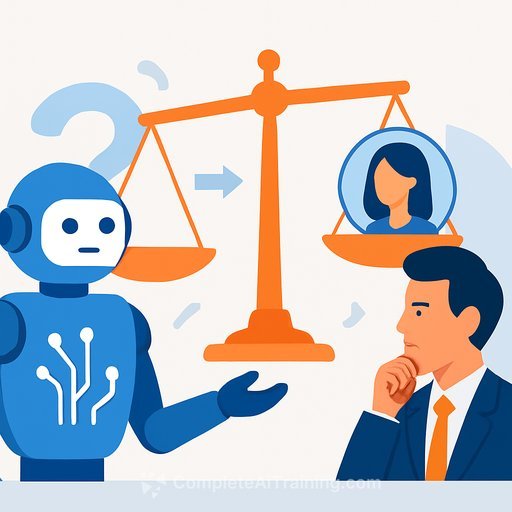
Ignoring data quality can cause AI projects to backfire. For example, Amazon’s abandoned AI hiring tool favored male candidates because it learned from historical data biased toward men in software engineering roles.
Real-World Data Quality Challenges in HR
Consider how job titles and roles evolve over time due to reorganizations or geographic shifts. If compensation data isn’t updated or cleaned properly, AI tools may recommend inaccurate salary ranges, undermining their usefulness and credibility.
Research shows that nearly one-third of HR teams pause AI projects because their data infrastructure isn’t ready. This highlights the importance of addressing data quality before moving forward.
Clarifying Data Ownership
One major hurdle is the unclear ownership of HR data within organizations. Often, IT manages the technology but not the data quality, and HR may lack the resources or expertise to take full responsibility. Establishing clear accountability for data quality is essential.
Consolidating data from various sources—recruiting, performance, learning—into a unified system can improve decision-making. Third-party tools and master data management software can help centralize and standardize people data for better AI integration.
Top Data Hygiene Issues HR Leaders Must Address
- Inconsistent definitions: Metrics like turnover can be defined differently across departments, leading to conflicting insights.
- Garbage in, garbage out: AI outputs depend on input quality. Poorly crafted prompts or unclear data lead to misleading or fabricated responses, especially with generative AI tools.
- Data bias: AI trained on biased or incomplete data will reproduce those biases, affecting fairness in hiring, compensation, and development decisions.
- Outdated information: AI models need current data to be effective. Using stale policy or employee data can cause inaccurate recommendations.
Leveraging Automated Tools for Data Quality
Manual data cleaning is no longer practical due to the volume and complexity of HR data. Automated software can help streamline this process:
- Data observability tools: Identify data quality issues and monitor data as it flows through systems. Examples include Monte Carlo and Telmai.
- Data cleaning software: Fix errors like duplicates, missing values, and formatting inconsistencies. Providers include OpenRefine, Talend, and Trifacta.
- AI governance platforms: Ensure AI systems and their data comply with regulations and ethical standards. Examples are Credo AI, Holistic AI, and Monitaur AI.
Despite these technologies, human oversight remains crucial. HR professionals must guide data evaluation and cleaning to prepare datasets for AI use effectively.
Conclusion
For HR teams aiming to benefit from AI, focusing on data quality is non-negotiable. Clean, accurate, and well-governed data ensures AI tools provide reliable insights and avoid costly mistakes. Prioritize data hygiene, clarify data ownership, and leverage automation to build a strong foundation for AI success.
To explore practical AI courses that can help HR professionals build skills in data management and AI implementation, visit Complete AI Training’s HR-focused courses.
Your membership also unlocks: