
AI news ·
Why Creative Teams Are Taking Their Time With AI Adoption
Creative teams are cautiously integrating AI, using it mainly to boost productivity rather than replace jobs. Most are experimenting and learning, with only a few feeling like AI experts.
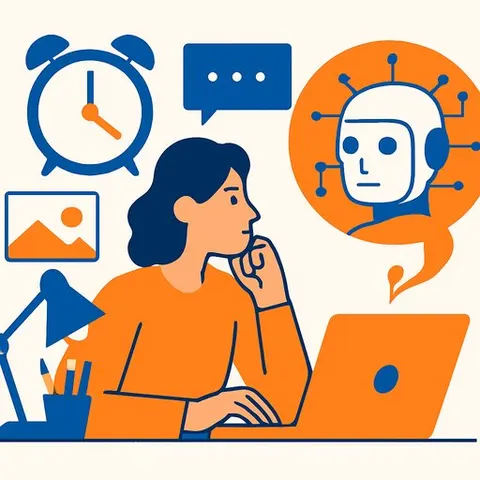
AI Promises a Shortcut, but Creative Teams Are Taking the Scenic Route
Artificial Intelligence is making its way into creative workflows, but the shift is careful and deliberate. Most creative teams are still figuring out where AI fits rather than overhauling their processes overnight.
Why Creative AI Adoption Feels Familiar
Think back to the early days of ATMs. The first widely recognized ATM, called Genie, appeared in 1977. Though it felt groundbreaking then, it was already years behind the first U.S. ATM introduced in 1969. Despite this, ATMs didn’t become commonplace until the 1990s — more than two decades after the first machine.
Compare that to AI today, where many rush to adopt tools within days of release. But the reality is more measured. Like ATMs before it, AI adoption in creative work follows a slower, more cautious path.
Creative Teams Are Using AI, but Few Feel Like Experts
Creative professionals are engaging with AI, but true expertise is rare. According to recent research from the Creative Intelligence Report by Cella, 41% of creatives have some knowledge of AI, and 20% are actively learning through courses. Yet, only 5% see themselves as AI experts.
This means AI is entering creative workflows gradually. The majority are still in early stages, experimenting rather than fully integrating AI tools.
The report also highlights a positive trend: creatives view AI primarily as a productivity booster, not a threat to jobs.
- 63% use AI to increase efficiency.
- 35% rely on it for automated asset creation.
- 34% use it to generate derivative content.
- Only 5% believe AI will replace full-time roles.
Most creatives trust AI to streamline tasks, not to take over creative decisions. However, AI use varies by task. Nearly half use AI for concept development, but only 25% use it for research. This cautious approach means many teams miss out on AI’s potential to support strategic thinking and insights.
Patience and Purpose Will Shape AI’s Creative Future
Despite the buzz, AI adoption follows a known pattern. Major tech innovations often start slow, with doubts and learning curves before becoming essential. Personal computers and the internet faced similar early hesitations.
AI’s timeline is faster but still marked by a gap between curiosity and full integration. Experimentation alone won’t transform workflows. Creative teams need deeper knowledge and deliberate strategies to unlock AI’s real value.
This measured approach isn’t a drawback. The best innovations take time to fit naturally into daily work. Rushing AI adoption without clear plans risks inefficiency and misplaced trust.
Balancing exploration with execution is key. Teams that build thoughtful AI strategies now will be ahead in the future. The industry stands at a turning point: AI is influencing creative work but remains an emerging tool for most, not a fully embedded force.
Change is underway—just not instantly. Maybe it’s time to introduce Claude to Genie.
For creatives ready to deepen their AI skills, exploring structured learning paths can make a difference. Check out Complete AI Training’s latest courses for practical guidance on integrating AI thoughtfully into creative workflows.