Tech Chatbots Are Losing Customer Trust Fast
Why Customers Still Prefer Humans Over Chatbots for Customer Service
Every day, customers contact companies to buy products, inquire about orders, return items, or resolve payment issues. Traditionally, this meant speaking with a real person via phone or website chat. Today, more companies use chatbots as the first point of contact.
How Chatbots Are Changing Customer Service for Businesses
Chatbots are AI tools that simulate real-time conversations. They work 24/7, never need breaks, and can handle many requests at once. For businesses, this sounds ideal. The chatbot market grew from $370 million in 2017 to $2.2 billion in 2024, showing how widespread their use has become. Still, not all customers feel comfortable with chatbots.
Why Most Customers Still Prefer Human Agents Over Chatbots
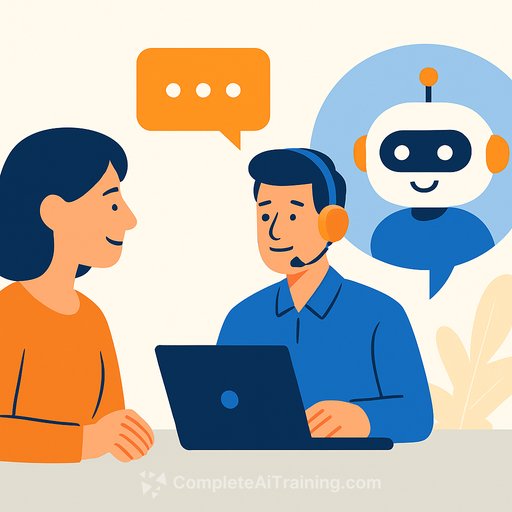
Companies appreciate chatbots for speed and efficiency, but many customers do not. A recent survey found that 71% of people prefer speaking with a human agent. Additionally, 60% said chatbots often fail to understand their issues. This isn’t just about wrong answers—it’s about trust. Customers still hesitate to rely on AI when their time or money is involved.
When Customers Want a Human Agent Instead of a Chatbot
Customer questions vary in complexity. Simple issues might be handled by chatbots, but complex or sensitive matters call for human agents. For example, 47% of people accept companies using their purchase history for marketing, but only 9% are comfortable with sharing financial information. When the topic feels sensitive, customers want a real person to assist.
New Research Compares Chatbots to Human Agents in Customer Service
Researcher Vivek Astvansh analyzed over 500,000 customer service chats with a major North American retailer to compare chatbots and human agents. His study categorized inquiries into six groups: orders, coupons, products, shipping, account issues, and payments.
When questions dealt with detailed or sensitive topics like shipping or payments, customers preferred human agents. The study also found humans were better at matching customers’ language and tone, which built stronger rapport. Customers responded faster and more often when they felt understood, leading to higher satisfaction.
How Businesses Can Improve Customer Service with a Hybrid Approach
Not all inquiries should go to chatbots. Companies need to identify the intent behind each request and decide if it’s best handled by a bot or a human. Human agents naturally mirror customer tone and focus. For chatbots to succeed, they must be trained to recognize and adapt to intent and language patterns using machine learning.
Businesses investing in chatbots should measure their performance carefully. Vendors should provide real-world data comparing bots to human agents in efficiency, accuracy, and customer satisfaction. If chatbots don’t meet high standards, the investment may not pay off.
Key Takeaways for Customer Support Teams
- AI chatbots are helpful tools and here to stay.
- Customers want to feel heard and understood, which usually means talking to a human.
- Let chatbots handle simple, routine questions.
- Bring in human agents for complex or sensitive conversations.
- Train chatbots to recognize customer intent and language nuances.
- Track chatbot performance against human agents regularly.
For customer support professionals aiming to balance AI and human interaction effectively, exploring quality AI training can be valuable. Check out Complete AI Training’s courses tailored for customer support roles to strengthen your skills in this evolving landscape.
Your membership also unlocks: